The Dos and Don’ts of Pressure Washing in Brandon’s Historic Districts
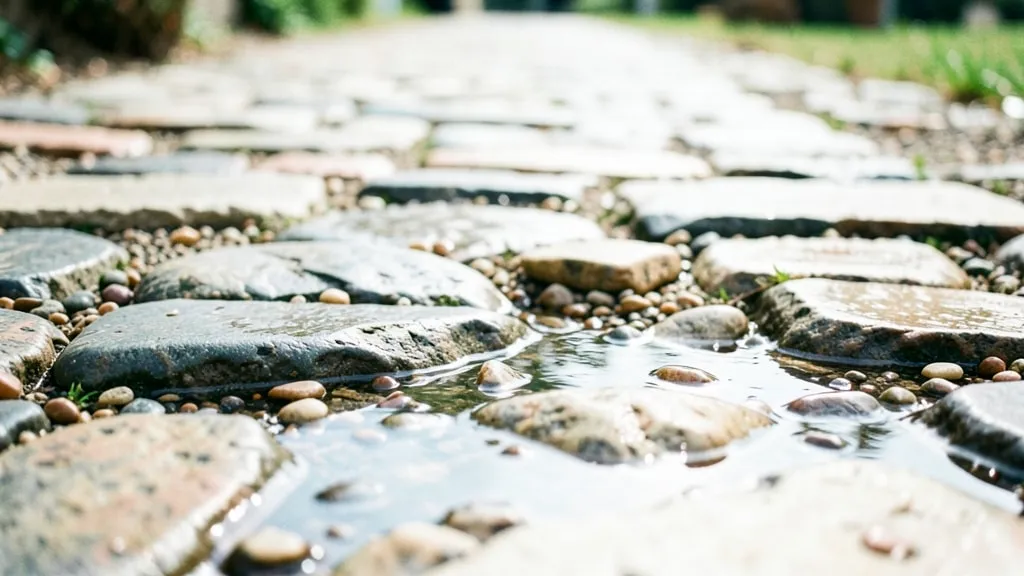
Brandon’s historic neighborhoods—from the charm of Bloomingdale to the timeless appeal of Palm River-Clair Mel—demand a careful touch. Pressure washing can restore beauty or cause irreversible damage if done wrong. We’ve spent years perfecting methods that preserve character while tackling Florida’s relentless mold, mildew, and pollen.
Why Historic Homes Need Special Care
Older homes often feature delicate materials like hand-laid brick, aged wood siding, or original stucco. These surfaces can’t handle the same PSI a modern concrete driveway can.
Florida’s humidity accelerates grime buildup, but aggressive washing strips away decades of patina—or worse, etches permanent scars into masonry.
Soft wash systems are non-negotiable here. They use low pressure (under 1,000 PSI) and specialized detergents to lift contaminants without harming substrates.
Even treated lumber can splinter under 2,000+ PSI. Stick to 500–800 PSI for wood and always test a small area first.
The Right Equipment for the Job
A professional-grade pressure washer with adjustable PSI and GPM is essential. For historic work, we often drop to 300–600 PSI with a wide-angle (25–40°) nozzle.
Soft wash setups pair low pressure with chemical application. Sodium hypochlorite (bleach-based) solutions are effective but require careful dilution and rinsing to avoid damage.
For eco-conscious clients in Valrico or Riverview, we offer plant-safe, biodegradable detergents that still pack a punch against algae and efflorescence.
Pressure vs. Soft Wash: What’s the Difference?
Traditional pressure washing blasts surfaces with high PSI (2,000–4,000). It’s ideal for driveways, concrete, and modern siding but risky for historic materials.
Soft washing relies on chemical action, not force. It’s the gold standard for roofs, old wood, and delicate stone—common in Brandon’s older homes.
| Method | PSI Range | Best For | Risk to Historic Materials |
|---|---|---|---|
| Pressure Washing | 2,000–4,000 PSI | Concrete, modern vinyl siding, driveways | High: Can erode brick, crack stucco, or damage wood |
| Soft Wash | 300–1,000 PSI | Wood, stucco, roofs, aged brick, decks | Low: Gentle on surfaces; relies on detergents |
| Medium-Duty Wash | 1,000–2,000 PSI | Fences, newer brick, some stone | Moderate: Use with caution on older materials |
Common Mistakes That Damage Historic Properties
Using a 0° (red) nozzle is like a laser beam—it carves into wood and mortar. Always start with a 25° or 40° tip for broader, safer coverage.
Holding the wand too close (under 12 inches) can etch brick or strip paint. Keep the nozzle 18–24 inches away and work in smooth, overlapping strokes.
Ignoring pre-treatment is a rookie error. A detergent dwell time of 5–10 minutes breaks down grime before rinsing, reducing the need for high pressure.
Before applying any chemicals, soak nearby landscaping. This prevents bleach or detergents from burning foliage—a common issue in Seffner’s lush yards.
Local Challenges: Florida’s Climate and Historic Homes
Brandon’s hot, humid summers breed mold and mildew at record speed. These organisms don’t just look bad—they trap moisture, accelerating wood rot and masonry deterioration.
Efflorescence, that white chalky residue, is rampant here due to mineral-rich groundwater. It’s not just cosmetic; it signals moisture issues that need addressing before washing.
Pollen season (spring and fall) leaves a yellow-green film that clings stubbornly. A soft wash with a degreaser additive often does the trick without harming surfaces.
When to Call a Pro (and When DIY Might Work)
DIY pressure washing is fine for modern concrete driveways or vinyl siding in newer subdivisions. But for historic homes, the risk of damage is too high.
If your home has original wood shakes, hand-cut stone, or intricate masonry, leave it to pros. We’ve seen DIY jobs in Bloomingdale turn into costly restorations.
Even renting equipment can backfire. Consumer-grade washers often lack the fine PSI control needed for delicate surfaces.
Signs You Need a Professional
- Visible cracks or erosion in brick or stucco
- Peeling paint or exposed wood grain
- Previous DIY washing attempts left streaks or damage
- Roof or second-story areas requiring soft wash
- Presence of lead paint (common in pre-1978 homes)
Post-Wash Care to Extend Results
Sealing is critical after cleaning historic wood or masonry. A breathable sealant protects against moisture while allowing the material to “breathe.”
Regular maintenance washes (every 12–18 months) prevent heavy buildup. In Florida’s climate, waiting longer invites deeper staining and potential damage.
Keep gutters clean—especially in areas like Palm River-Clair Mel with mature trees. Clogged gutters cause water to overflow, undoing your washing efforts.
How to Safely Pressure Wash a Historic Wood Deck
Wood decks in older Brandon homes require a gentle, methodical approach to avoid splintering or warping.
- 1Prep the Area
Remove furniture, rugs, and planters. Cover nearby plants with plastic sheeting. Sweep away loose debris.
- 2Pre-Treat with Detergent
Apply a wood-safe detergent with a pump sprayer. Let it dwell for 10 minutes to break down grime and mildew.
- 3Test Pressure and Nozzle
Use a 25° nozzle and start at 500 PSI, 18 inches from the surface. Test on a small, hidden area first.
- 4Wash in Sections
Work in 3x3-foot sections, keeping the wand moving to avoid etching. Follow the wood grain for even cleaning.
- 5Rinse and Inspect
Rinse thoroughly with clean water. Inspect for damage or missed spots before the wood dries.
- 6Apply Sealant
Once dry (24–48 hours), apply a UV-protective sealant to guard against Florida’s sun and humidity.
Frequently Asked Questions
Can pressure washing remove lead paint from my historic Brandon home?
We always test for lead before cleaning pre-1978 homes, as pressure washing can spread lead dust, creating a hazard, and lead paint requires specialized encapsulation or removal by trained professionals.
What’s a good time of year to pressure wash a historic home in Florida?
Late fall or early spring is ideal. Avoid the peak summer heat (which can cause detergents to dry too quickly) and the rainy season (June–September). Mild, dry days ensure proper drying and chemical effectiveness.
Will soft washing kill the mold on my roof, or will it just come back?
Soft washing with a bleach-based or specialized fungicidal solution kills mold at the root, not just the surface. However, Florida’s climate means regrowth is inevitable. Regular maintenance (every 12–18 months) keeps it in check.
Is it safe to pressure wash old brick in Seffner’s historic district?
Old brick is porous and can be damaged by high pressure. We use a soft wash or very low PSI (under 800) with a wide nozzle, and we never aim directly at mortar joints. A test patch is always the first step.
How do I know if my home’s stucco can handle pressure washing?
Inspect for cracks, flaking, or previous damage. If the stucco is sound, a low-pressure wash (600–1,000 PSI) with a 25° nozzle is usually safe. For unsure cases, soft washing is the safer bet.
Do you service historic homes in Valrico or Riverview too?
Absolutely. We work across Brandon and surrounding areas, including Valrico, Riverview, Seffner, and Bloomingdale. Historic homes in these neighborhoods share similar challenges—humidity, pollen, and aged materials that need expert care.