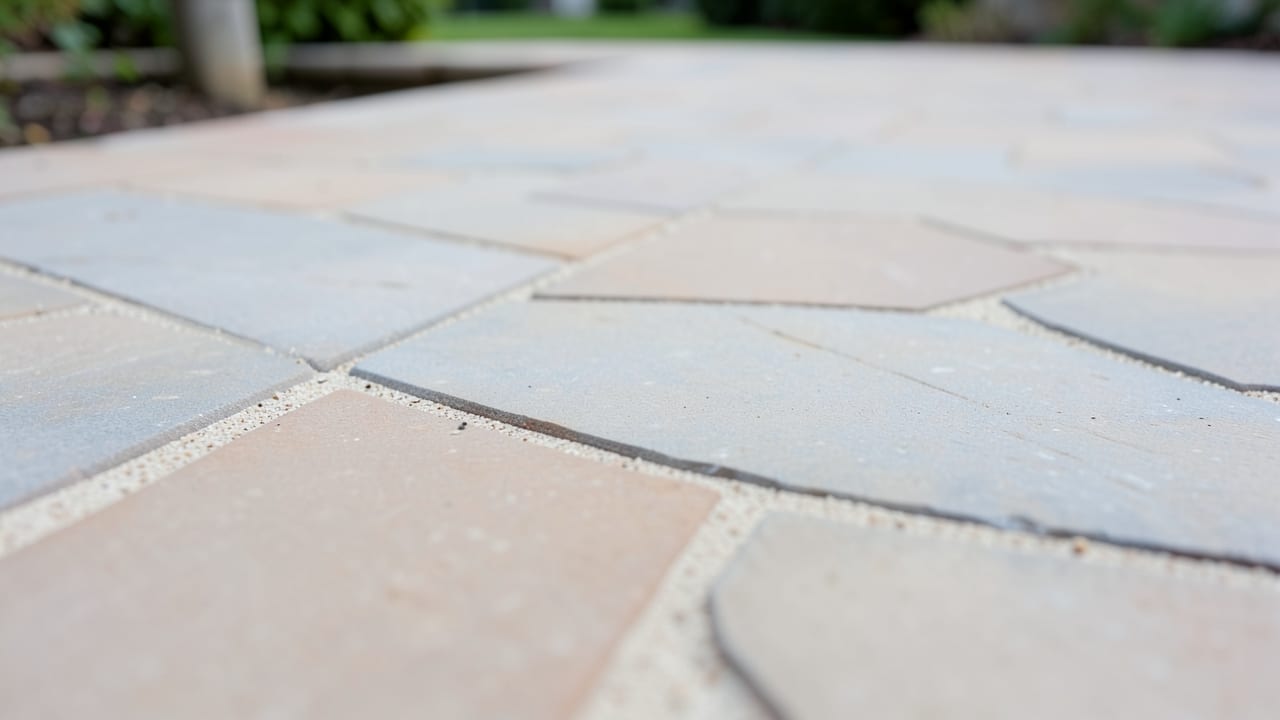
Stone Patios Cleaning
High-pressure washing to remove dirt, stains, and grime from stone patio surfaces.
Stone patios in Brandon, FL, accumulate dirt, algae, and mineral deposits over time, dulling their natural beauty and creating slippery hazards. Pressure washing with specialized techniques restores flagstone, travertine, and other natural stone surfaces while protecting mortar joints and avoiding damage to softer materials.
This targeted approach ensures a clean, safe, and long-lasting finish for your outdoor space.
We also handle Chimney Exterior Cleaning and AC Unit Exterior Cleaning for Brandon properties.
When to clean your stone patio
Stone patios in Brandon’s humid climate often develop greenish-black algae or white efflorescence—a mineral haze—from moisture trapped in the material. If your patio looks dull, feels slimy, or has dark streaks near downspouts, cleaning is needed.
Ignoring these signs can lead to deeper staining, mortar erosion, or even structural damage over time.
A close inspection reveals key clues: recessed or crumbling mortar joints, pitting on softer stones, or persistent stains after rain. These indicate the patio needs professional cleaning before minor issues worsen. Unlike concrete, stone requires gentle pressure and chemical treatments tailored to its porosity and material type.
Signs Your Stone Patio Needs Cleaning
- White, chalky residue (efflorescence) spreading across the surface, especially in shaded areas.
- Dark green/black film (algae or mildew) that feels slimy or grows back quickly after rain.
- Mortar joints that look recessed, crumble under gentle pressure, or have visible cracks.
- Pitting or rough texture on the stone’s surface, indicating erosion from harsh cleaning methods.
- Stains concentrated in specific spots (e.g., under downspouts or near plant beds) that don’t fade with rain.
What affects cost and process?
The size of your patio, the type of stone, and the condition of mortar joints all influence pricing and technique. For example, travertine’s porous surface requires lower pressure and specialized detergents to avoid pitting, while flagstone may need extra care around its edges.
Pre-existing damage—like recessed mortar—demands adjusted methods to prevent further deterioration.
Seasonal timing also matters: cleaning before a cold snap can trap moisture in the stone, leading to freeze-thaw cracks. Conversely, hot afternoons in Brandon’s summer can cause cleaning solutions to dry too quickly, leaving streaks. Scheduling work during mild, overcast days ensures the best results.
Common mistakes to avoid
Homeowners often assume higher pressure equals deeper cleaning, but this risks damaging softer stones or eroding mortar joints. Using household cleaners or bleach can strip sealants, leave chemical residue, or harm nearby plants. Even well-intentioned DIY attempts with rental pressure washers can pit stone or strip away protective finishes.
Another pitfall is skipping a mortar inspection before cleaning. Recessed or crumbling joints can’t handle standard pressure settings, so adjusting technique per material is critical. Without this step, what seems like a thorough clean might actually accelerate structural wear.
Directing pressure *into* mortar joints—rather than across the stone’s face—accelerates erosion that would otherwise take years. This mistake costs more to repair than the cleaning itself.
How stone patio cleaning works
- 1Mortar and Surface Inspection
The technician checks mortar joints for recession or crumbling and assesses the stone’s hardness. Softer materials (like travertine) require lower pressure and targeted chemical treatments to avoid pitting or surface damage.
- 2Low-Pressure Washing with Detergents
A masonry-safe solution is applied to break down algae, efflorescence, and stains. Pressure is kept low (typically 1,200–2,000 PSI) and directed *across* the stone—not into joints—to prevent erosion while lifting embedded grime.
- 3Detail Work on Edges and Joints
Corners, window sills, and areas near mortar are finished with reduced pressure and closer control. This balances removing dirt from the stone’s texture without weakening already-compromised joints.
- 4Final Rinse and Moisture Check
The patio is rinsed to clear loosened residue, and mortar joints are re-inspected when wet to spot any deterioration hidden by years of grime. Wet joints reveal cracks or soft spots that may need repointing.
- 5Optional Sealing (If Recommended)
A vapor-permeable sealer can be applied to reduce future moisture absorption, but only if the stone is fully dry. Non-breathable sealers trap moisture, worsening long-term damage.
Frequently asked questions
Will pressure washing damage my stone patio or mortar?
When done correctly, no—but improper technique (like high pressure or aiming directly into joints) can erode mortar or pit softer stones. Professionals adjust pressure and method based on your patio’s material and condition, starting with a thorough inspection.
Why does my patio still look dirty after cleaning?
Streaks or haze often mean the cleaning solution dried too quickly (common in Brandon’s heat) or efflorescence is recurring due to trapped moisture. A second rinse or a vapor-permeable sealer can help, but the root cause—like poor drainage—should also be addressed.
How often should I clean my stone patio?
Most patios benefit from cleaning every 1–3 years, depending on climate and foot traffic. In Brandon’s humidity, algae and efflorescence build up faster, so annual inspections (and cleaning when needed) extend the life of your patio and prevents costly repairs.
Can I clean it myself, or should I hire a pro?
DIY risks damaging the stone or mortar, especially with rental pressure washers. Professionals use masonry-safe chemicals, proper pressure settings, and techniques to avoid pitting or joint erosion—critical for long-term durability.
Where Brandon sits, and what the Census lists nearby
Brandon sits in Florida, and the closest places listed in the U.S. Census Gazetteer are Mango (3.9 miles north), Valrico (4.3 miles east), Bloomingdale (4.7 miles southeast), Seffner (4.8 miles north). Within 25 miles of Brandon the same source lists 54 distinct incorporated places and census-designated places.
Those figures matter for stone patios cleaning because they are straight-line distances between Census coordinate points: road mileage between Brandon and Mango runs longer than the 3.9 miles shown, which is why quotes for the same job differ between towns that look close together on a map.
Source: U.S. Census Bureau Gazetteer.
See Seffner, FL for more, or find out about our complete Brandon service list across the area for our complete lineup.
Ready to get started?
Talk to a local pressure washing pro in Brandon — get a written quote.
Other Pressure Washing Services in Brandon
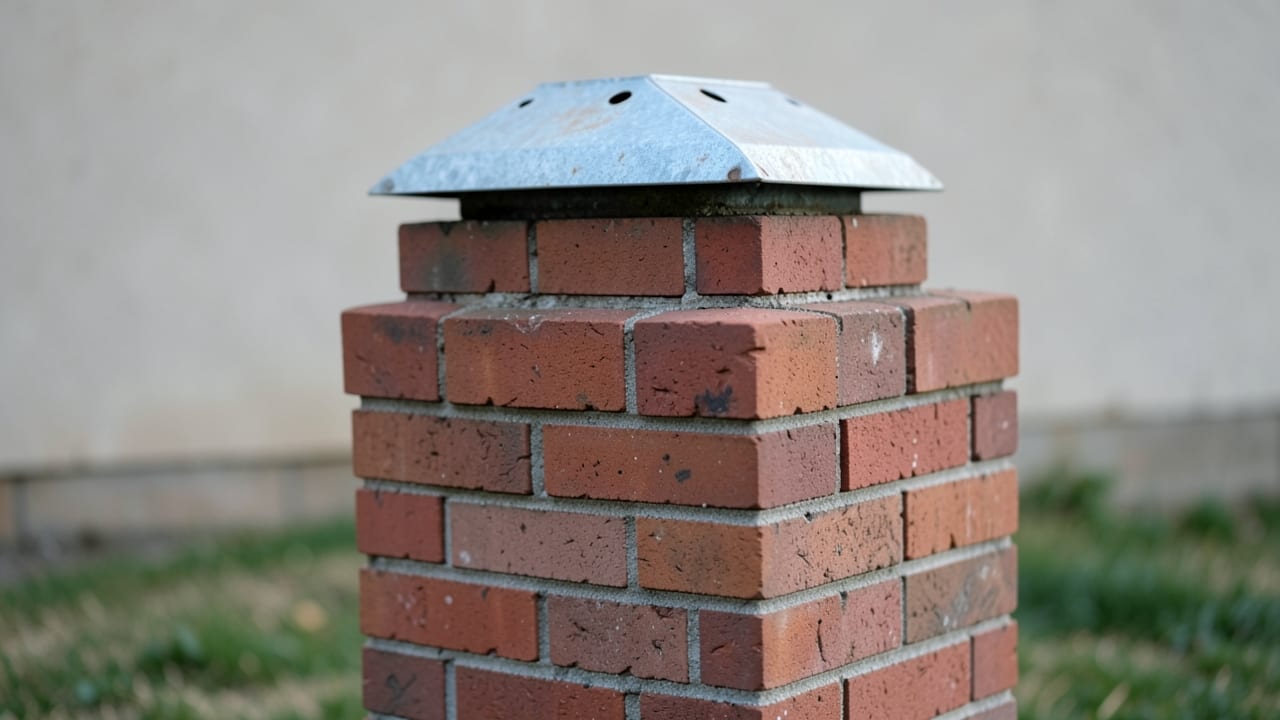
Chimney Exterior Cleaning in Brandon, FL
Pressure washing to remove soot, dirt, and stains from chimney exteriors.
Learn More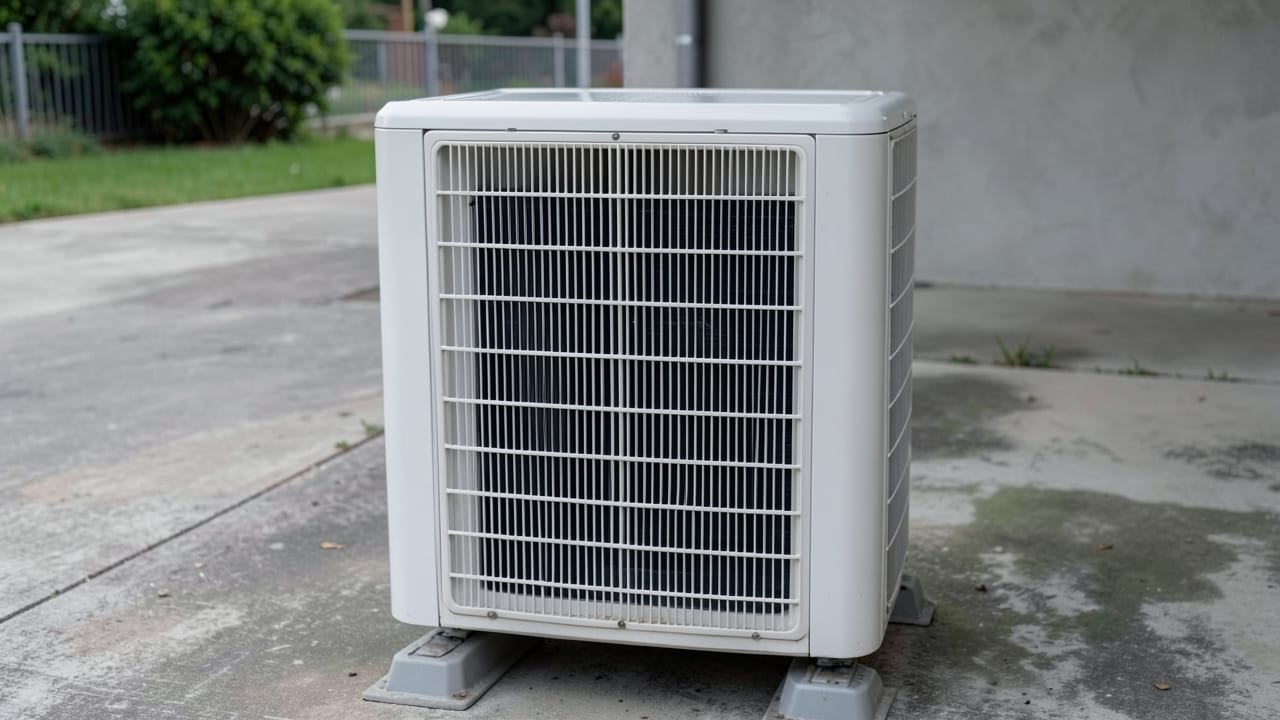
AC Unit Exterior Cleaning in Brandon, FL
Pressure washing to remove dirt, debris, and grime from outdoor AC unit coils and housing.
Learn More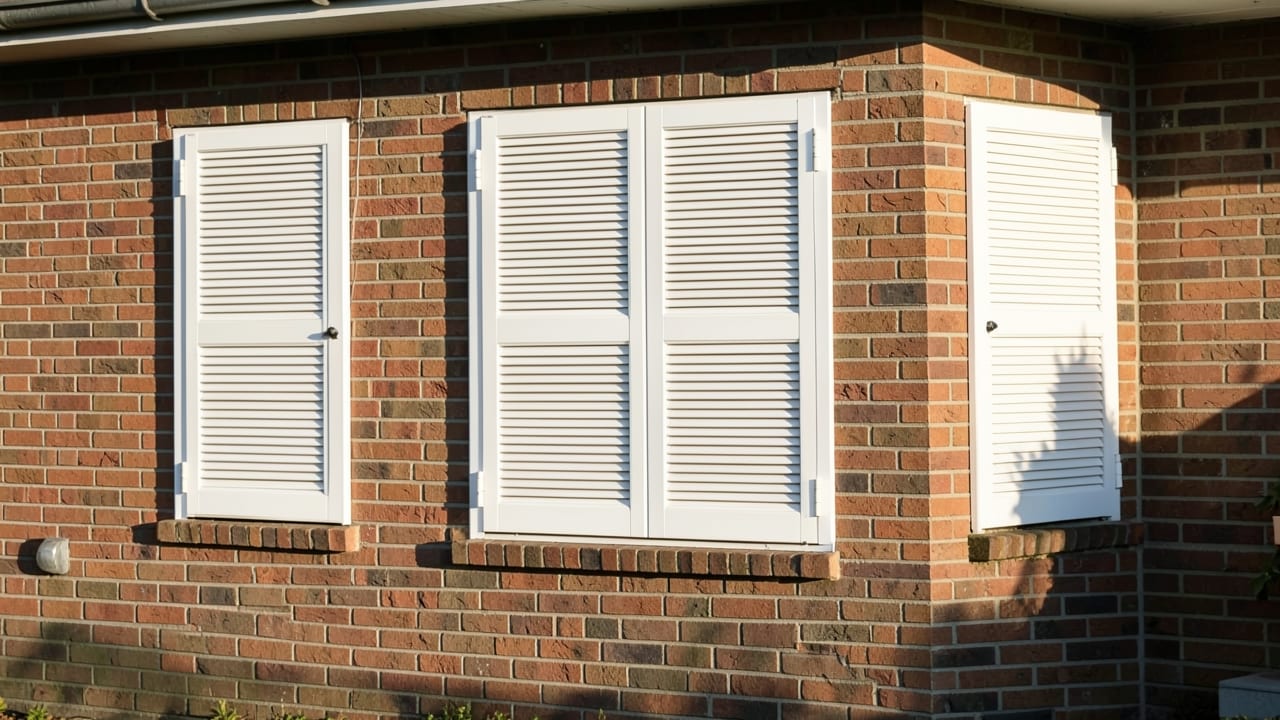
Shutter Cleaning in Brandon, FL
Professional pressure washing to remove dirt, grime, and debris from exterior shutters.
Learn More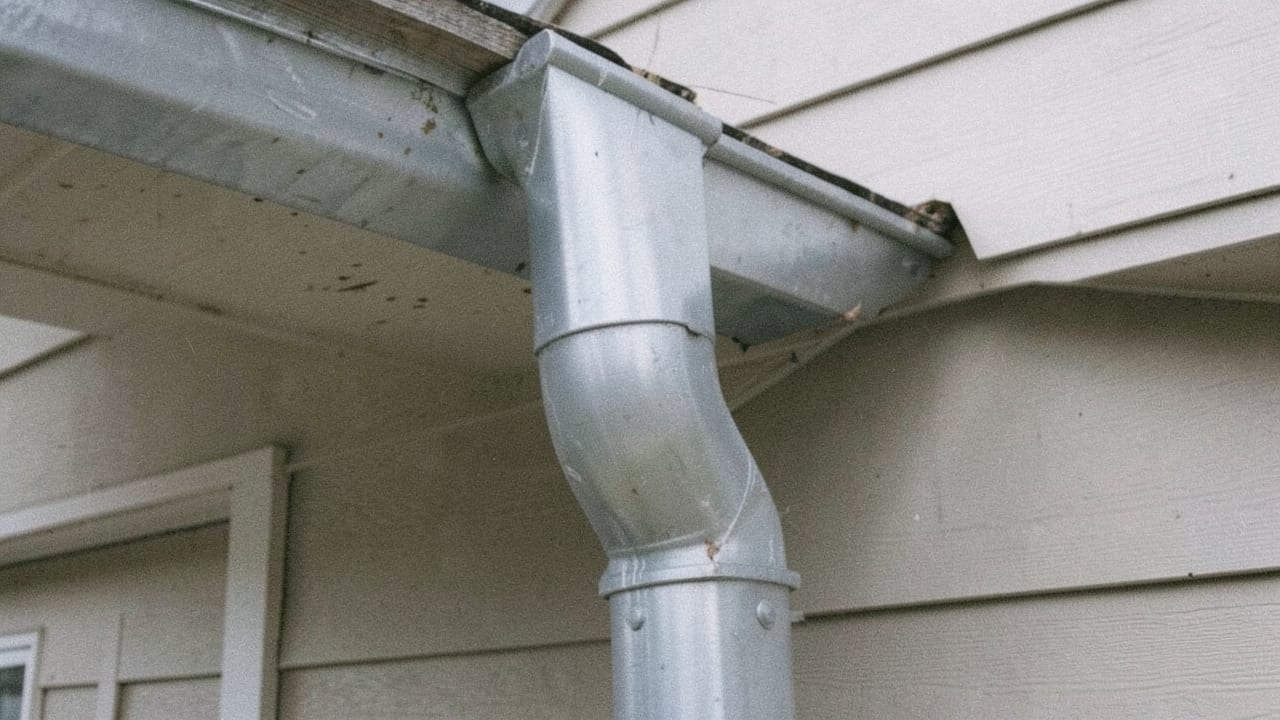
Downspout Cleaning in Brandon, FL
Clearing clogged downspouts to ensure proper drainage and prevent water damage.
Learn More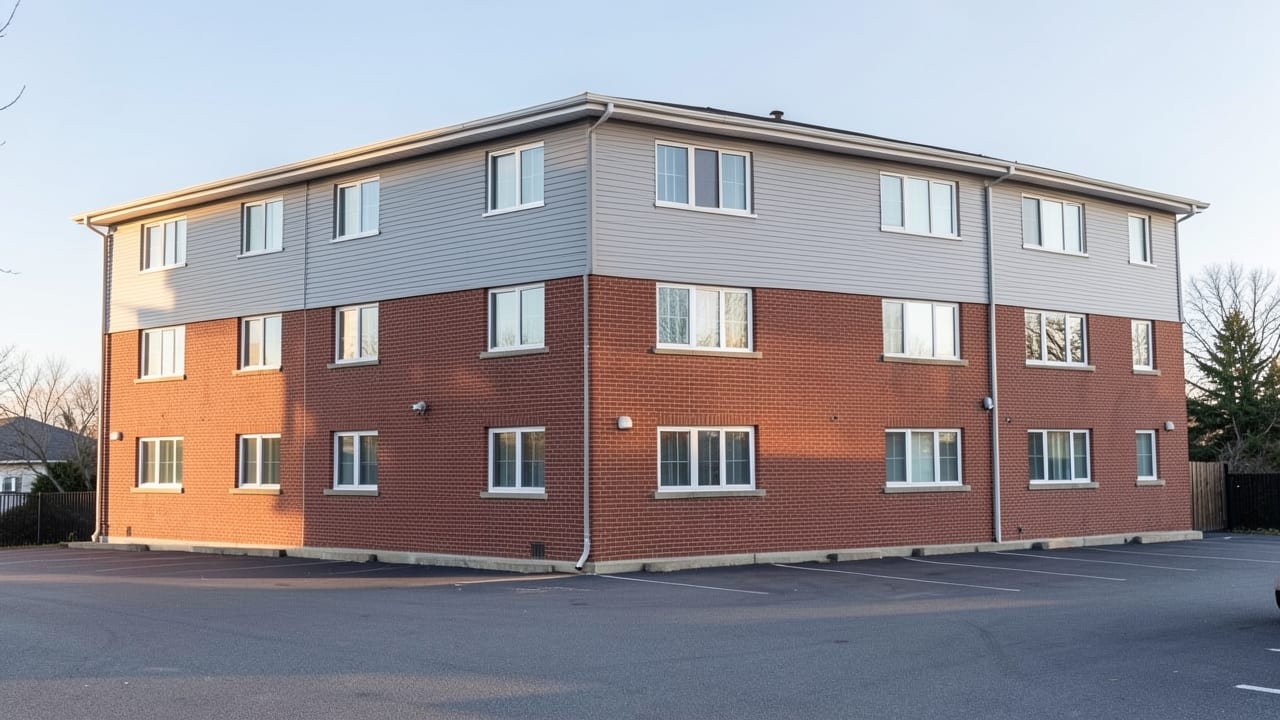
Apartment Complex Washing in Brandon, FL
High-pressure cleaning of apartment building exteriors, walkways, and common areas to remove dirt and grime.
Learn More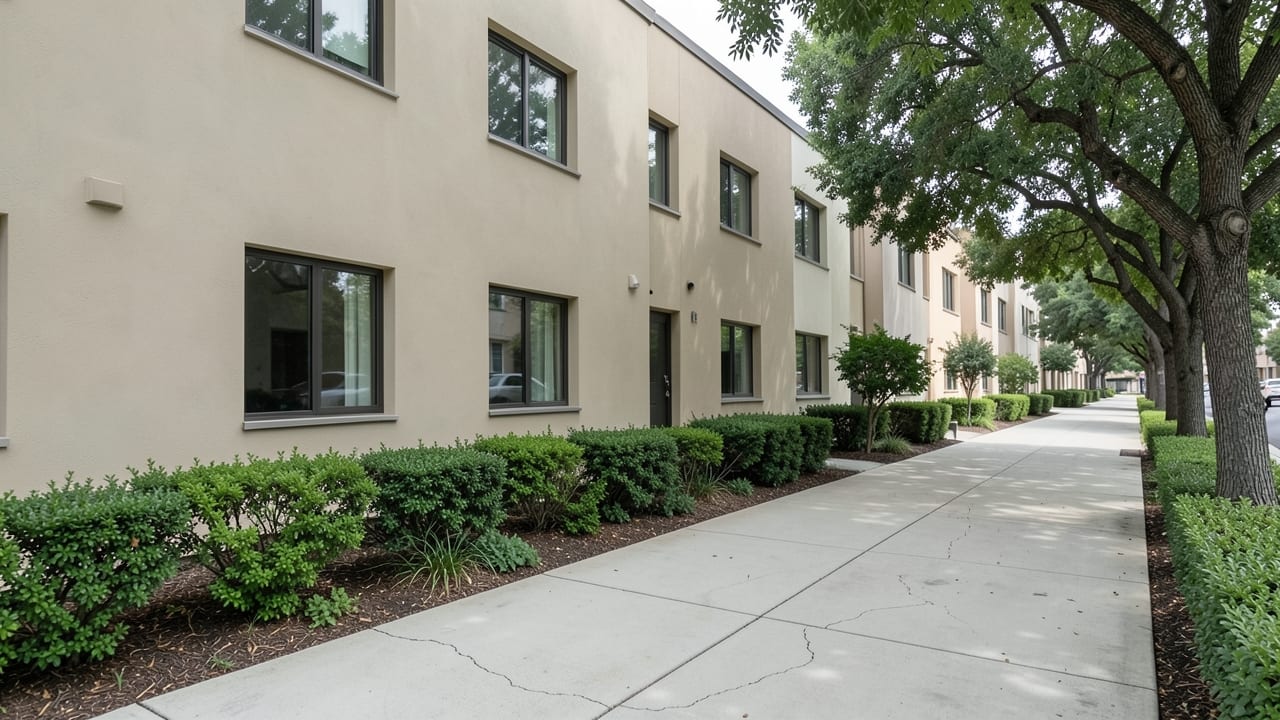
Condo Association Washing in Brandon, FL
High-pressure cleaning of condo association exteriors, walkways, and common areas to remove dirt and grime.
Learn MoreCommon Questions About Pressure Washing in Brandon
Everything you need to know about pressure washing services in Brandon
How much does Stone Patios Cleaning typically cost in Brandon, FL?
Why does algae and mildew growth on homes in Brandon, FL come back so quickly?
Can pressure washing damage concrete, pavers, or mortar joints?
What are the actual named steps in a professional pressure washing job?
Can the wrong PSI actually damage a house or driveway?
What's the actual difference between pressure washing and soft washing?
Need Pressure Washing in Brandon?
Get a written quote from our Brandon crew.
⏰ We answer your call • Serving all of Brandon and surrounding areas