Understanding Water Runoff Regulations for Pressure Washing in Brandon
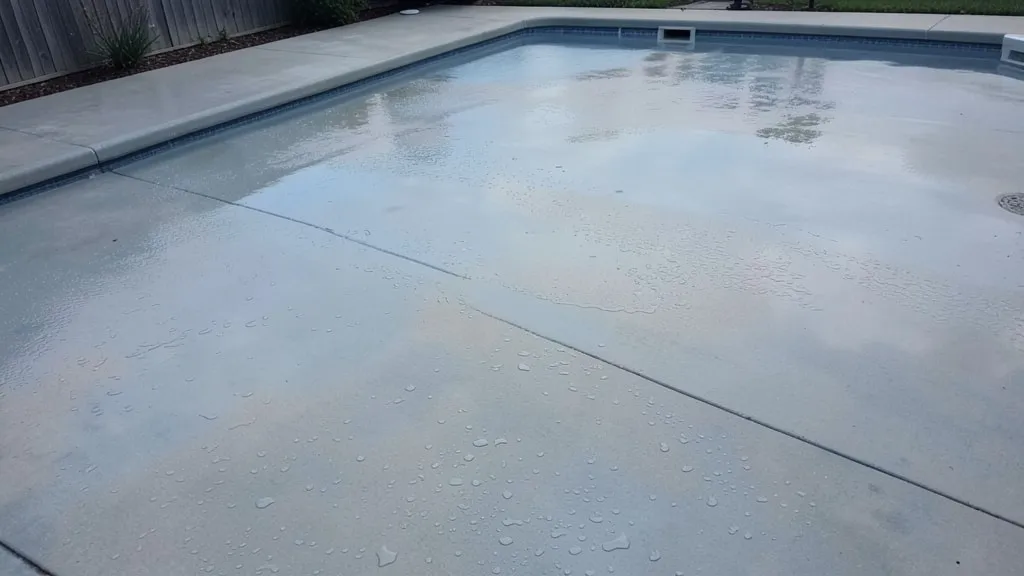
Pressure washing is a powerful way to restore your home’s curb appeal, but it’s not just about blasting away grime. In Hillsborough County, water runoff rules can affect how, when, and where we clean. We’ll break down what Brandon homeowners need to know to stay compliant and avoid fines.
Why Water Runoff Matters in Pressure Washing
Pressure washing sends water—and whatever’s on your surfaces—straight into storm drains. In Brandon, those drains often lead directly to local waterways, lakes, or the Alafia River basin.
Contaminants like oil, heavy metals, or even some detergents can harm aquatic ecosystems. That’s why regulations exist to prevent pollution from residential and commercial cleaning.
Brandon’s Local and State Regulations
Florida’s Department of Environmental Protection (FDEP) sets statewide rules under the Clean Water Act. Hillsborough County adds its own layer, often enforcing stricter standards for urban areas like Brandon, Valrico, and Riverview.
Key rules include prohibiting the discharge of soapy or contaminated water into storm drains. Even biodegradable soaps can require containment or treatment before release.
Discharging untreated runoff into storm drains can result in penalties. Always check local ordinances before starting a large project.
How Runoff Rules Affect Different Pressure Washing Services
Not all pressure washing jobs carry the same runoff risks. Soft wash roof cleaning, for example, uses low-pressure chemicals that can linger and require careful containment.
Driveway and concrete cleaning in neighborhoods like Bloomingdale or Palm River-Clair Mel often involves oil stains or heavy dirt, which demand extra runoff control.
| Service | Runoff Risk | Containment Needs |
|---|---|---|
| House Washing | Moderate | Minimal for plain water; containment for detergents |
| Roof Washing (Soft Wash) | High | Full containment or recovery system |
| Driveway & Concrete Cleaning | High | Containment for oil, grease, or chemical stains |
| Deck & Fence Cleaning | Low-Moderate | Containment if using wood brighteners or sealant strippers |
| Gutter Cleaning | Moderate | Debris disposal, not runoff, is primary concern |
| Commercial Pressure Washing | High | Often requires permits and engineered controls |
Best Practices for Compliant Pressure Washing
We always start with a site assessment. Impervious surfaces like driveways or patios in Seffner or Riverview need extra attention to prevent runoff from flowing into streets or drains.
Using recovery systems or berms to contain water is a must for high-risk jobs. For lower-risk tasks, we adjust PSI and GPM to minimize overspray and runoff volume.
Runoff Control Checklist
- Inspect the site for nearby storm drains or waterways
- Use containment barriers or tarps for chemical applications
- Collect and properly dispose of wastewater when required
- Opt for low-pressure or soft wash methods where possible
- Avoid cleaning during or before heavy rain forecasts
The Role of Detergents and Cleaning Solutions
Not all pressure washing relies on chemicals, but when we do use them—especially for roof washing or stubborn stains—we choose EPA-approved, phosphate-free detergents.
Even ‘eco-friendly’ products can require containment in Brandon. Some local ordinances ban certain ingredients entirely, so we always verify before application.
For many house washing or concrete cleaning jobs, high-pressure water alone can achieve great results without adding runoff risks.
Seasonal Considerations in Brandon’s Climate
Florida’s wet season (June–October) brings frequent afternoon storms. Pressure washing during this time increases runoff risks, as heavy rains can carry contaminants farther than expected.
Dry season (November–May) is ideal for larger projects, but even then, we monitor forecasts to avoid cleaning right before rain. Valrico and Bloomingdale’s sandy soils can also affect how runoff absorbs or pools.
Commercial vs. Residential Rules
Commercial pressure washing in Brandon often faces stricter scrutiny. Businesses in areas like Palm River-Clair Mel or near major roads may need permits for large-scale cleaning due to higher runoff volumes.
Residential jobs are usually lower-risk but still require adherence to county guidelines. We help homeowners navigate both by tailoring our approach to the property and its surroundings.
How to Plan a Compliant Pressure Washing Project
Follow these steps to ensure your next cleaning project meets local runoff regulations.
- 1Assess Your Property
Identify impervious surfaces, storm drains, and any slopes that could direct runoff toward waterways. Note areas with heavy staining or chemical use needs.
- 2Check Local Rules
Review Hillsborough County and Brandon’s specific ordinances. For commercial projects, contact the county for permit requirements.
- 3Choose the Right Method
Opt for soft wash or low-pressure techniques where possible. For high-risk areas, plan for containment systems like berms or recovery tanks.
- 4Select Safe Cleaning Agents
Use biodegradable, phosphate-free detergents approved for pressure washing. Avoid harsh chemicals unless absolutely necessary—and only with proper containment.
- 5Schedule Smartly
Avoid cleaning during the wet season or right before forecasted rain. Dry, calm days are ideal for minimizing runoff risks.
- 6Hire a Professional
If unsure, work with a local expert. We handle permits, containment, and compliance so you don’t have to.
Frequently Asked Questions
Do I need a permit to pressure wash my home in Brandon?
Most residential pressure washing jobs don’t require permits, but you must still follow runoff rules. Permits are typically needed for commercial properties or large-scale projects. Always check with Hillsborough County if unsure.
Can I pressure wash my driveway if it has oil stains?
Yes, but oil stains require special care. The runoff from cleaning oil-stained driveways is considered hazardous and must be contained and disposed of properly. We use absorbents and recovery systems for these jobs.
Are there any restrictions on pressure washing during Florida’s wet season?
While there’s no outright ban, wet season increases runoff risks. Cleaning before heavy rains can wash contaminants into storm drains. We recommend scheduling during dry periods for safer, more effective results.
What’s the difference between soft wash and pressure washing in terms of runoff?
Soft wash uses low-pressure chemical solutions, which can linger and require containment. Traditional pressure washing relies on high-pressure water but may still need runoff control for detergents or debris. Both methods have regulations in Brandon.
How do I dispose of wastewater after pressure washing?
For most residential jobs, directing wastewater to a grassy area (not storm drains) is acceptable if detergents are minimal. For chemical-heavy jobs, containment and disposal at an approved facility may be required. We handle this for our clients.
Do these regulations apply to neighboring areas like Valrico or Riverview?
Yes. Hillsborough County’s runoff rules apply across unincorporated areas, including Valrico, Riverview, Seffner, and Bloomingdale. Some cities may have additional local ordinances, so it’s best to confirm.