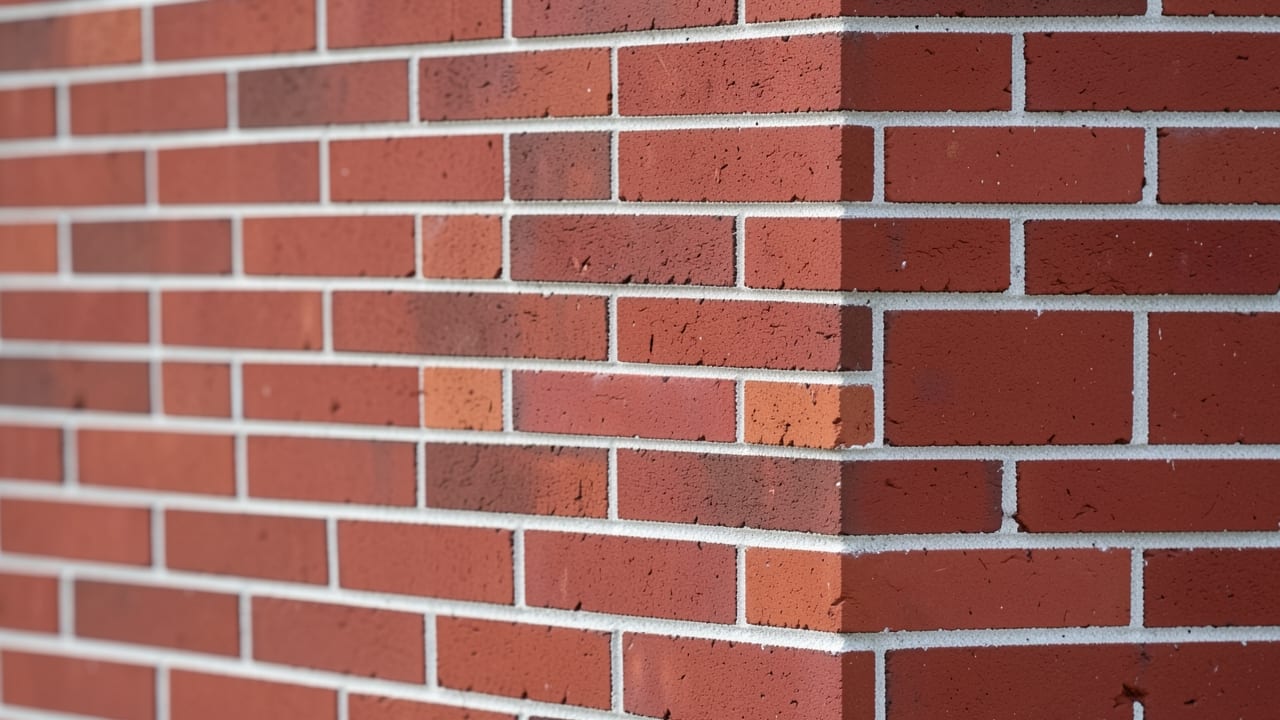
Brick Cleaning
Professional pressure washing to remove dirt, grime, and stains from brick surfaces.
Brick cleaning in Brandon, FL, revitalizes weathered brick walls, walkways, and patios by removing dirt, mold, and efflorescence without damaging the masonry. This specialized process uses low-to-medium pressure washing and masonry-safe solutions to preserve brick texture and color while addressing underlying issues like mortar deterioration.
Ideal for homes in the area, it restores curb appeal and extends the life of your brickwork.
We also handle Hard Water Stain Removal and Algae Treatment for Brandon properties.
When brick cleaning is needed
Not all discoloration on brick is just dirt. A greenish or black film, especially on shaded sides, is often algae or mildew, while a white, chalky haze is efflorescence—a mineral deposit from moisture moving through the masonry.
Both require targeted treatment. Dark staining concentrated below downspouts or rooflines points to recurring water runoff, a fixable cause of ongoing buildup.
Mortar joints that appear recessed or crumble under gentle pressure are signs of deterioration that must be addressed before cleaning. Ignoring these weak points can accelerate erosion when pressure washing is applied.
A thorough inspection ensures the cleaning process doesn’t worsen existing damage, making it a critical step before any work begins.
Signs Your Brick Needs Cleaning
- White, chalky patches (efflorescence) spreading across brickwork—indicates mineral deposits from moisture.
- Dark green or black streaks (algae/mildew) worsening on shaded or damp sides of the wall.
- Mortar joints that look sunken compared to the brick face or crumble slightly when touched.
- Recurring dark stains directly below downspouts, gutters, or rooflines—signs of water runoff carrying dirt.
- A dull, uneven color or texture where brick appears pitted or eroded from prior harsh cleaning methods.
What affects pricing and timing
Brick cleaning costs vary based on the size of the area, the condition of the mortar, and whether additional treatments like efflorescence removal or sealing are needed.
Unlike generic pressure washing, masonry cleaning requires precision to avoid damaging softer bricks or weakened mortar, which can extend the job time and cost.
The scope of work—such as cleaning walls, patios, or walkways—also impacts pricing. A full exterior brick cleaning typically falls within a broader range for home exterior pressure washing, but the actual cost depends on the provider and specific details of the job.
Always request a detailed quote that breaks down surfaces and methods used.
Preventing future buildup
After cleaning, keeping moisture away from brickwork is key to preventing rapid re-staining. Redirecting downspouts and sprinklers away from walls, along with trimming plants or mulch that trap dampness against the foundation, reduces recurring issues.
A vapor-permeable sealer applied post-cleaning helps repel water and dirt without trapping moisture inside the masonry.
Mortar joints that are already weakened should be repointed during the cleaning process to prevent further erosion. This minor repair now can save costly structural fixes later. Regular inspections after cleaning help catch early signs of joint deterioration or moisture problems before they worsen.
After cleaning, apply a vapor-permeable sealer to reduce water absorption while allowing existing moisture to escape. Keep mulch, dense plantings, and vines at least 12 inches away from the brick foundation to prevent moisture buildup at the base.
How brick cleaning works
A thorough brick cleaning process balances precision and care to restore appearance without damaging the masonry.
- 1Inspect Mortar and Brick
The technician checks mortar joints for crumbling or recession and assesses brick hardness. Softer or older brick requires lower pressure to avoid pitting, while weakened mortar dictates gentler cleaning techniques.
- 2Apply Masonry-Safe Solution
A targeted detergent breaks down efflorescence, algae, and organic stains without abrasive scrubbing. The solution is sprayed across the brick face, avoiding direct pressure into joints to prevent erosion.
- 3Clean with Controlled Pressure
Low-to-medium pressure (typically 1,500–2,500 PSI) is used in sweeping motions across the brick, not into joints. Corners, window sills, and edges are finished with reduced pressure and closer distance to protect delicate areas.
- 4Rinse and Re-Inspect
A final rinse removes loosened residue, and mortar joints are checked again for hidden deterioration. Any weakened joints are noted for potential repointing to prevent future damage.
- 5Apply Sealer (Optional)
A vapor-permeable sealer may be applied to repel water and dirt while allowing the brick to dry internally. This step is skipped if the homeowner prefers no sealant or if the brick is already sealed.
Frequently asked questions
Will pressure washing damage my old brick or mortar?
Not if done correctly. Technicians use low-to-medium pressure and avoid directing the spray straight into mortar joints, which can accelerate erosion. Older or softer brick may require even lower pressure to prevent pitting, so a pre-job inspection ensures the right settings are used.
How do I know if the white haze on my brick is efflorescence or just dirt?
Efflorescence appears as a white, chalky deposit that often spreads across large areas of brickwork. Unlike dirt, it’s a mineral buildup from moisture moving through the masonry and requires a chemical treatment to dissolve, not just pressure washing.
Can I clean my brick myself, or should I hire a professional?
DIY pressure washing risks damaging soft brick or mortar with improper pressure or chemicals. Professionals assess brick and mortar condition first, use masonry-safe solutions, and apply controlled pressure to avoid pitting or joint erosion—key steps that protect your investment.
Will sealing my brick after cleaning prevent future staining?
A vapor-permeable sealer reduces water absorption and dirt buildup, but it won’t stop staining caused by recurring moisture issues like downspout runoff or poor drainage. Redirecting water sources and maintaining clearances around the foundation are equally important.
Where Brandon sits, and what the Census lists nearby
Brandon sits in Florida, and the closest places listed in the U.S. Census Gazetteer are Mango (3.9 miles north), Valrico (4.3 miles east), Bloomingdale (4.7 miles southeast), Seffner (4.8 miles north). Within 25 miles of Brandon the same source lists 54 distinct incorporated places and census-designated places.
Those figures matter for brick cleaning because they are straight-line distances between Census coordinate points: road mileage between Brandon and Mango runs longer than the 3.9 miles shown, which is why quotes for the same job differ between towns that look close together on a map.
Source: U.S. Census Bureau Gazetteer.
See Lake Magdalene, FL for more, or discover the rest of our Brandon lineup by neighborhood for our complete lineup.
Ready to get started?
Talk to a local pressure washing pro in Brandon — get a written quote.
Other Pressure Washing Services in Brandon
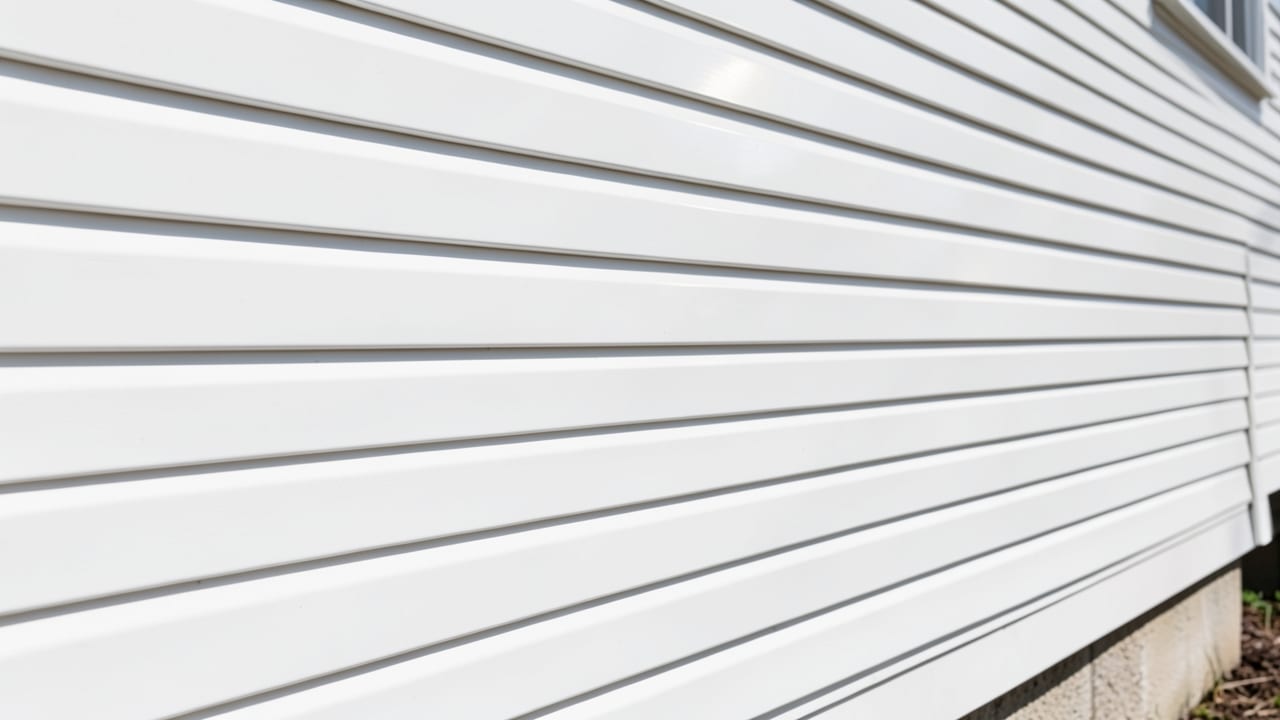
Hard Water Stain Removal in Brandon, FL
Pressure washing to remove hard water stains from exterior surfaces.
Learn More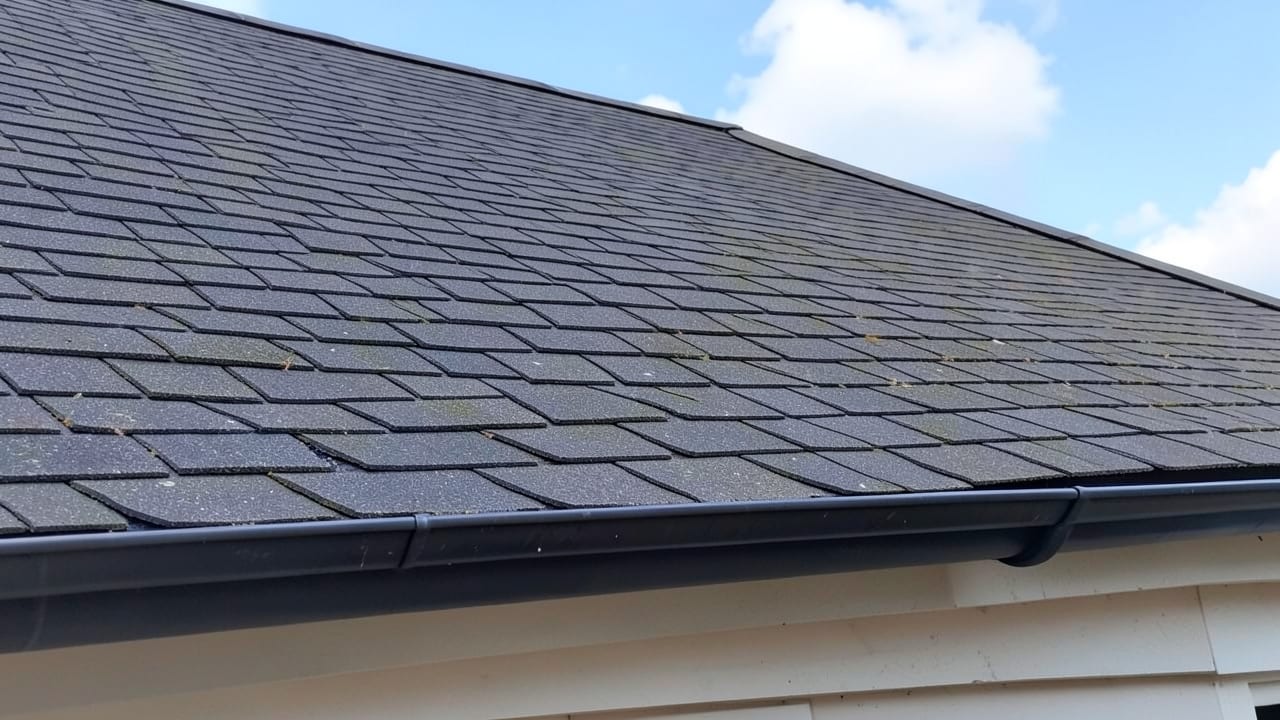
Algae Treatment in Brandon, FL
Professional pressure washing to remove algae from exterior surfaces like roofs, siding, and driveways.
Learn More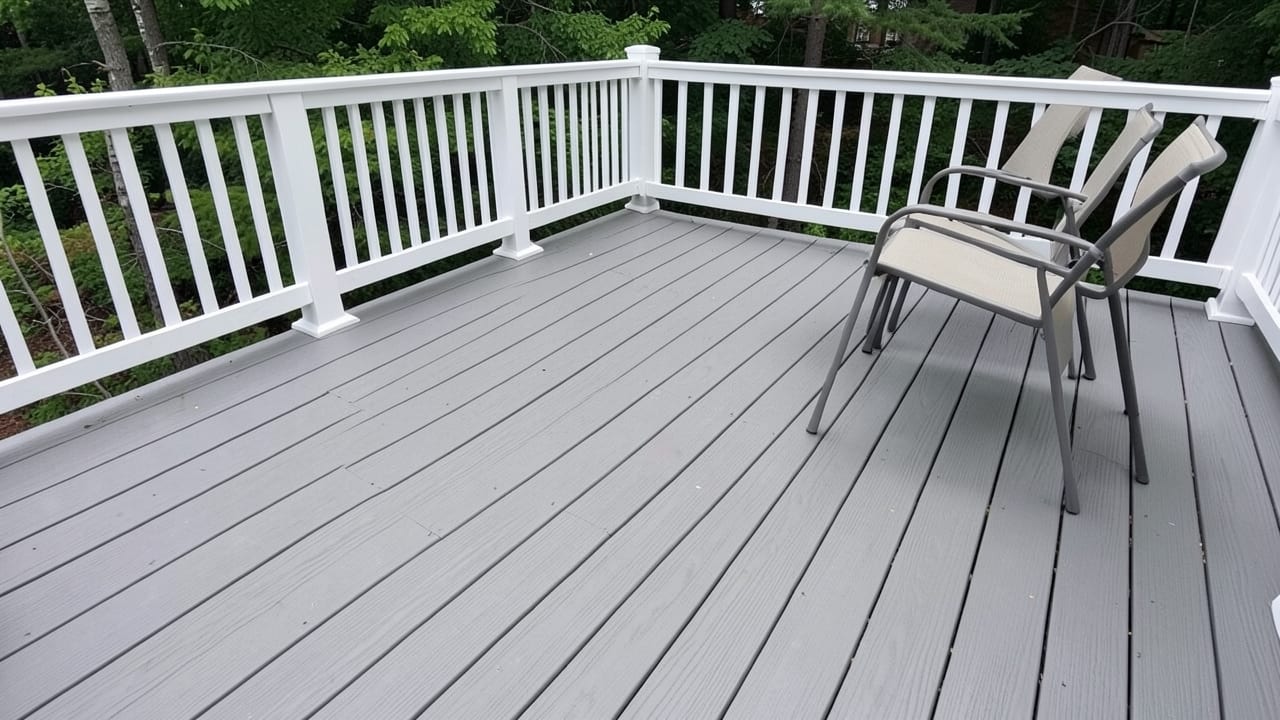
Spring Pollen Removal in Brandon, FL
High-pressure washing to remove pollen buildup from exterior surfaces.
Learn More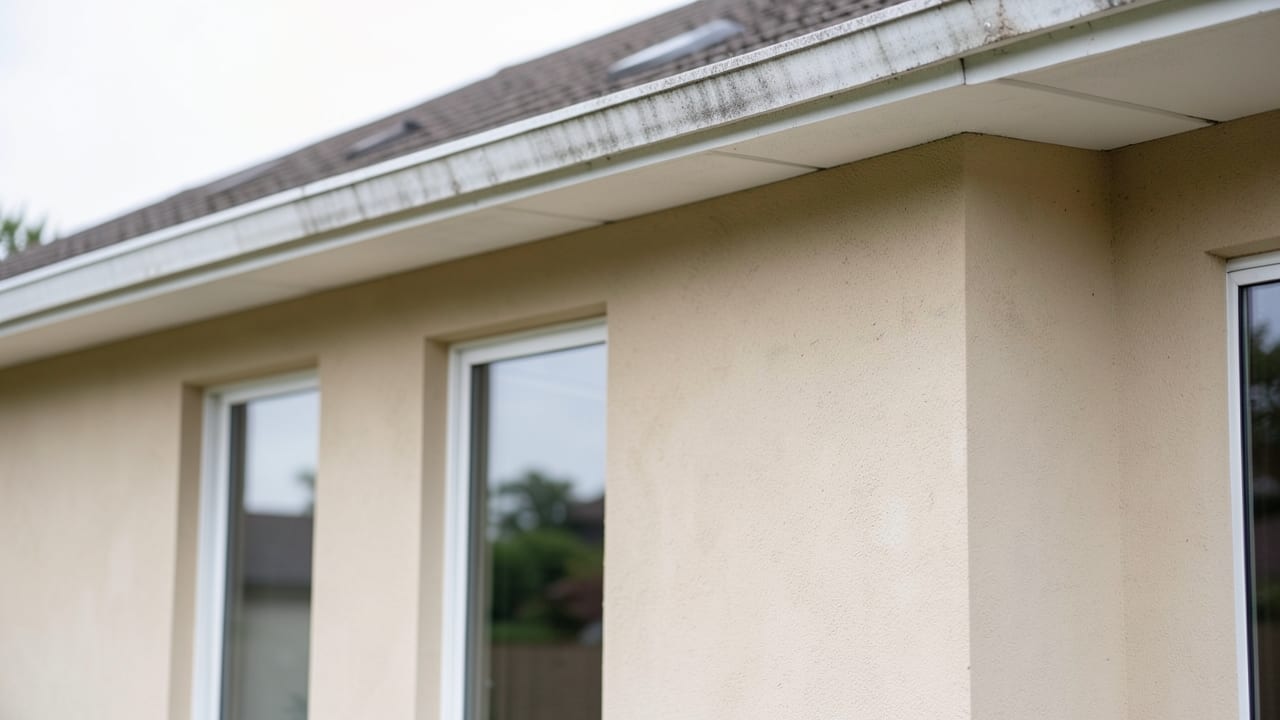
Pre-Sale Exterior Refresh in Brandon, FL
High-pressure cleaning of home exteriors, driveways, decks, and walkways to remove dirt, grime, and stains.
Learn More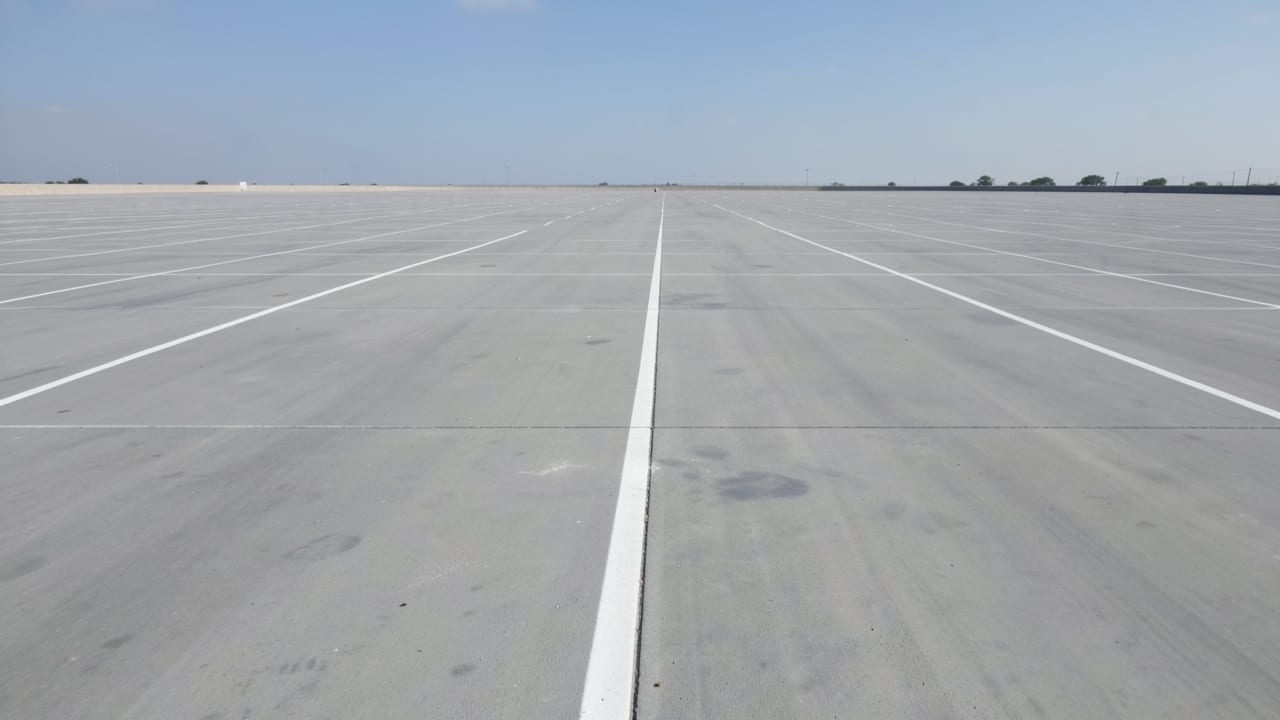
Post-Storm Debris Cleanup in Brandon, FL
Removal of storm debris from properties using pressure washing equipment.
Learn More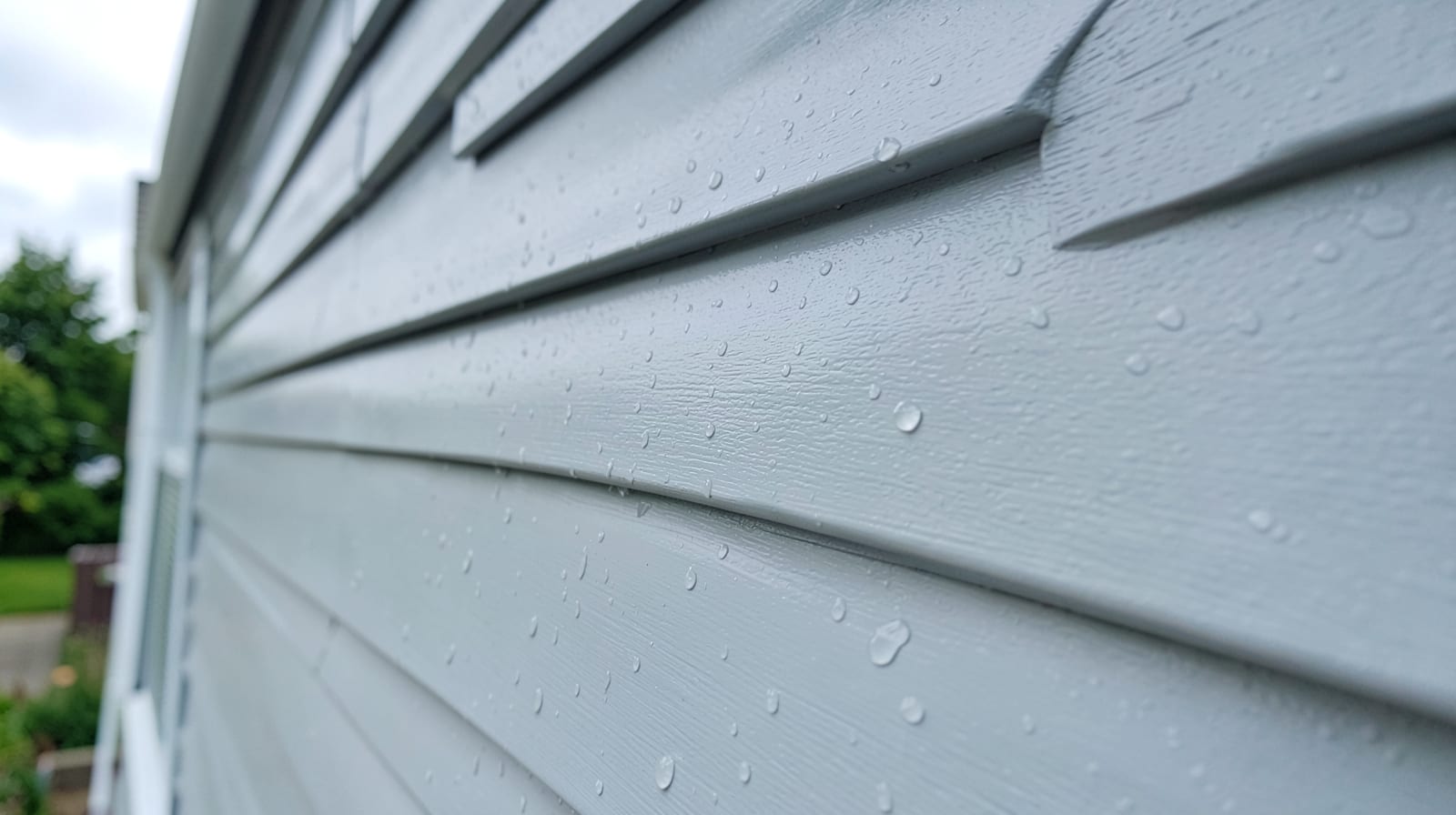
House Washing in Brandon, FL
Soft-wash exterior house washing for siding, brick, and stucco in Brandon, FL — removes dirt, algae and mildew, without damaging the surface.
Learn MoreCommon Questions About Pressure Washing in Brandon
Everything you need to know about pressure washing services in Brandon
How much does Brick Cleaning typically cost in Brandon, FL?
Why does algae and mildew growth on homes in Brandon, FL come back so quickly?
Can pressure washing strip paint or an existing sealant off a surface?
Is renting a pressure washer and doing the job at home a reasonable option?
How long does washing a typical house exterior take?
Can pressure washing damage concrete, pavers, or mortar joints?
Need Pressure Washing in Brandon?
Get a written quote from our Brandon crew.
⏰ We answer your call • Serving all of Brandon and surrounding areas