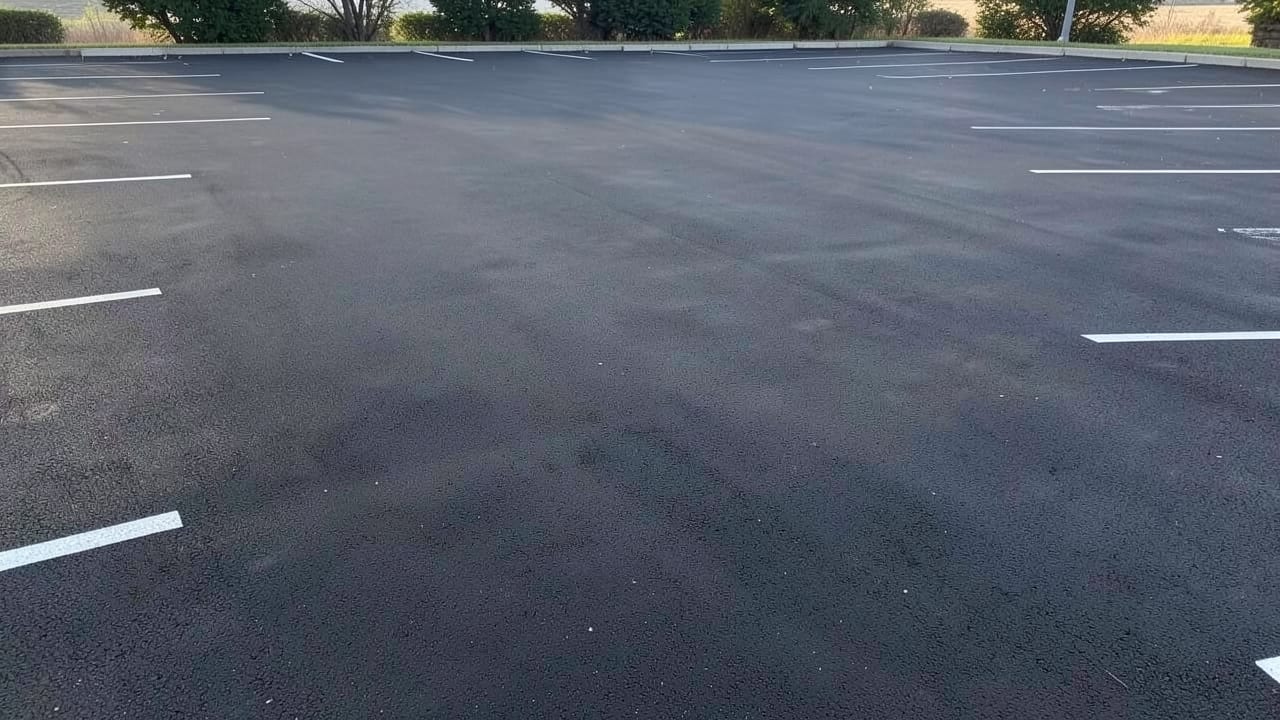
Parking Lot Cleaning
High-pressure washing to remove dirt, oil, and debris from parking lot surfaces.
Parking lot cleaning in Brandon, FL, uses high-pressure washing to remove stubborn stains, oil buildup, and grime from asphalt or concrete surfaces. This service restores your driveway’s appearance, prevents long-term damage, and ensures a safe, clean space for vehicles.
Local providers assess surface types—like plain or sealed concrete—to tailor the process and avoid discoloration or etching. Proper chemical application and runoff control are key to effective, eco-friendly cleaning.
We also handle Solar Panel Cleaning and Fleet Washing for Brandon properties.
When to clean your driveway or parking lot
Not all dirt or stains require pressure washing, and some signs mean plain sweeping won’t cut it. Dark, stubborn stains from oil, rust, or tires that spread over time or feel slick when wet are clear indicators of algae, mildew, or deep-seated grime.
A green or black tinge in shaded areas or a white, powdery haze (efflorescence) also signals problems that need targeted treatment.
Pressure washing alone won’t lift oil stains—without a degreasing solution, blasting can push the stain deeper into the concrete, making it harder to remove. Similarly, sealed or stamped concrete needs gentler treatment to avoid damaging the finish.
If your surface shows these specific signs, professional cleaning is the most effective solution.
Signs You Need Parking Lot Cleaning
- Dark stains that don’t fade after rain and spread slightly at the edges (oil, grease, or tire marks)
- A noticeably slick surface when wet, beyond normal wet concrete (algae or mildew buildup)
- Green or black discoloration in shaded corners or low spots (algae or mold growth)
- White, powdery residue on the surface (efflorescence, a mineral deposit)
- Visible etching or swirl marks from past pressure washing (physical damage to the concrete)
What affects the cost and process?
Driveway cleaning in Brandon is priced per project, not by a flat rate, because every surface has unique needs. Plain concrete tolerates higher pressure than sealed or stamped concrete, which requires lower PSI to avoid damaging the finish.
The size of the area, surface material, and whether runoff needs containment (to protect landscaping or storm drains) all play a role in pricing.
Additional factors like the presence of oil stains, algae, or efflorescence may require extra steps—such as chemical pre-treatment or multiple passes—and will impact the total cost. A provider should inspect your surface first to recommend the right method and avoid unnecessary damage or streaking.
| Factor | Impact on Process | Impact on Cost |
|---|---|---|
| Surface Material | Sealed/stamped concrete needs lower pressure; plain concrete can handle higher PSI. | Higher cost for delicate surfaces due to specialized techniques. |
| Stain Type | Oil/grease stains require degreasing chemicals; algae needs dwell time for detergent. | Extra chemicals or labor add to the price. |
| Runoff Containment | Municipalities may require runoff diversion to protect drains or plants. | Additional setup time increases cost. |
| Surface Size | Larger areas need more equipment, time, and detergent. | Priced by square footage, not flat rate. |
| Pre-Existing Damage | Cracks or loose edges may need repair before or after cleaning. | Not always included; may require separate quote. |
Before and after: what to expect
A professional parking lot cleaning will leave your surface looking uniformly clean, with no streaks, missed spots, or lingering stains. The process includes debris removal, chemical treatment for stubborn stains, and a final rinse—all while protecting nearby landscaping and pets from runoff.
Post-cleaning, the surface should feel smooth and dry, with no signs of etching or discoloration.
If sealing is applied afterward, expect a protective layer that repels future stains and extends the clean appearance. However, sealing is often an add-on service and should be discussed upfront to avoid surprises. Always ask for a written scope before the job starts to confirm what’s included.
After cleaning, routine sweeping prevents organic buildup (like leaves or clippings) that can stain over time. For oil spills, wipe them up within 24 hours—the longer they sit, the harder they are to remove. Improving drainage in low spots reduces algae growth, keeping your driveway cleaner longer.
How parking lot cleaning works
Professional driveway cleaning follows a methodical process to ensure deep cleaning without damaging the surface.
- 1Surface Assessment
The technician inspects the concrete or asphalt to identify its type—plain, sealed, or stamped—and checks for stains, algae, or efflorescence. This determines the pressure setting and chemicals used to avoid discoloration or etching.
- 2Chemical Application
A degreasing or stain-lifting solution is sprayed onto oil spots, tire marks, and organic stains. The detergent is left to dwell (typically 10–15 minutes) to break down grime before pressure washing begins.
- 3Pressure Washing
The surface is cleaned in overlapping passes with a surface cleaner attachment held at a consistent distance (12–18 inches) and angle. This ensures even coverage without streaks or missed spots, unlike handheld wands.
- 4Edge and Detail Work
Expansion joints, corners, and edges are finished separately at a lower pressure to prevent etching. These areas are also where runoff and contaminants often collect, requiring extra attention.
- 5Rinse and Containment
A final clear-water rinse removes detergent residue, and runoff is directed away from storm drains or planting beds. This step protects local ecosystems and landscaping from chemical buildup.
Frequently asked questions
Will pressure washing damage my sealed or stamped concrete driveway?
Yes, if the wrong pressure is used. Sealed or stamped concrete requires lower PSI (typically 1,500–2,000 PSI) to avoid stripping the finish or causing discoloration. Always ask your provider to specify the method and PSI for your surface type before starting the job.
How do I know if my driveway has algae or just dirt?
Algae creates a slimy, slippery feel when wet and often appears as green or black discoloration in shaded or damp areas. Plain dirt or dust can be swept away, but algae requires a detergent that dwells on the surface before rinsing. If your driveway feels slick after rain, it’s likely algae.
Can I pressure wash my driveway myself, or should I hire a professional?
DIY pressure washing can work for light dirt, but oil stains, algae, or efflorescence need professional-grade chemicals and equipment. Mistakes—like holding the wand too close (causing etching) or using the wrong pressure (damaging sealed concrete)—can ruin your driveway. Professionals also handle runoff safely and use the right techniques for your surface.
How long will my driveway stay clean after pressure washing?
With proper sealing (applied post-cleaning), a driveway can stay clean for 1–3 years, depending on traffic and weather. Routine sweeping and prompt cleanup of spills (especially oil) extend this time. Without sealing, stains and grime will return faster, often within months.
Where Brandon sits, and what the Census lists nearby
Brandon sits in Florida, and the closest places listed in the U.S. Census Gazetteer are Mango (3.9 miles north), Valrico (4.3 miles east), Bloomingdale (4.7 miles southeast), Seffner (4.8 miles north). Within 25 miles of Brandon the same source lists 54 distinct incorporated places and census-designated places.
Those figures matter for parking lot cleaning because they are straight-line distances between Census coordinate points: road mileage between Brandon and Mango runs longer than the 3.9 miles shown, which is why quotes for the same job differ between towns that look close together on a map.
Source: U.S. Census Bureau Gazetteer.
See Lutz, FL for more, or see our full crew's Brandon services at a glance for our complete lineup.
Ready to get started?
Talk to a local pressure washing pro in Brandon — get a written quote.
Other Pressure Washing Services in Brandon
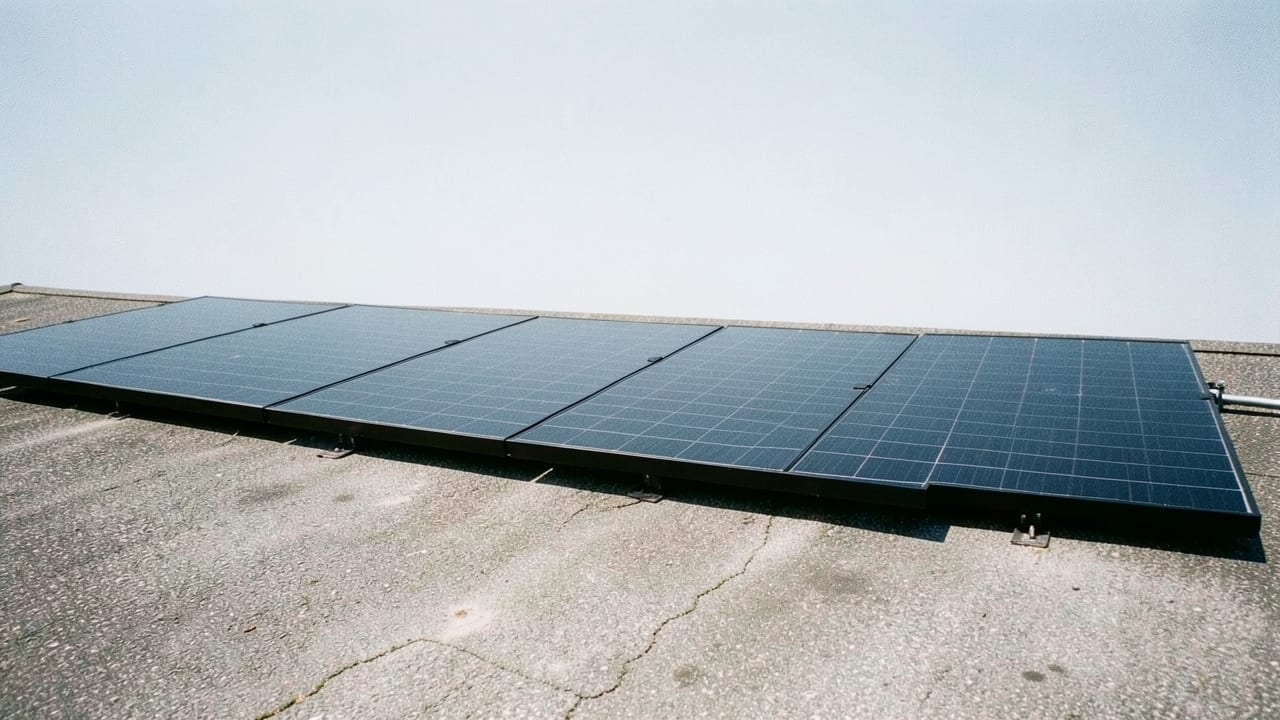
Solar Panel Cleaning in Brandon, FL
Solar panel cleaning in Brandon, FL — low-pressure, purified-water rinse that restores panel output without scratching the glass.
Learn More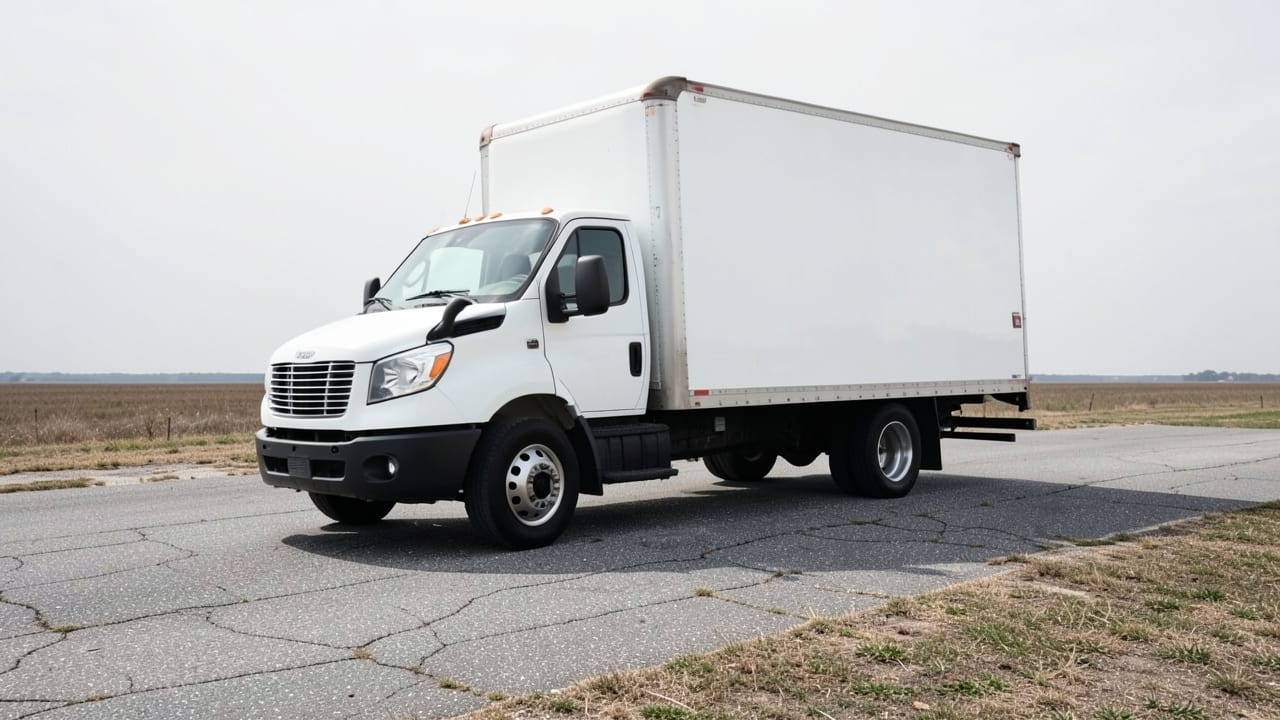
Fleet Washing in Brandon, FL
Mobile fleet washing for commercial vehicles in Brandon, FL — on-site cleaning for work trucks and vans.
Learn More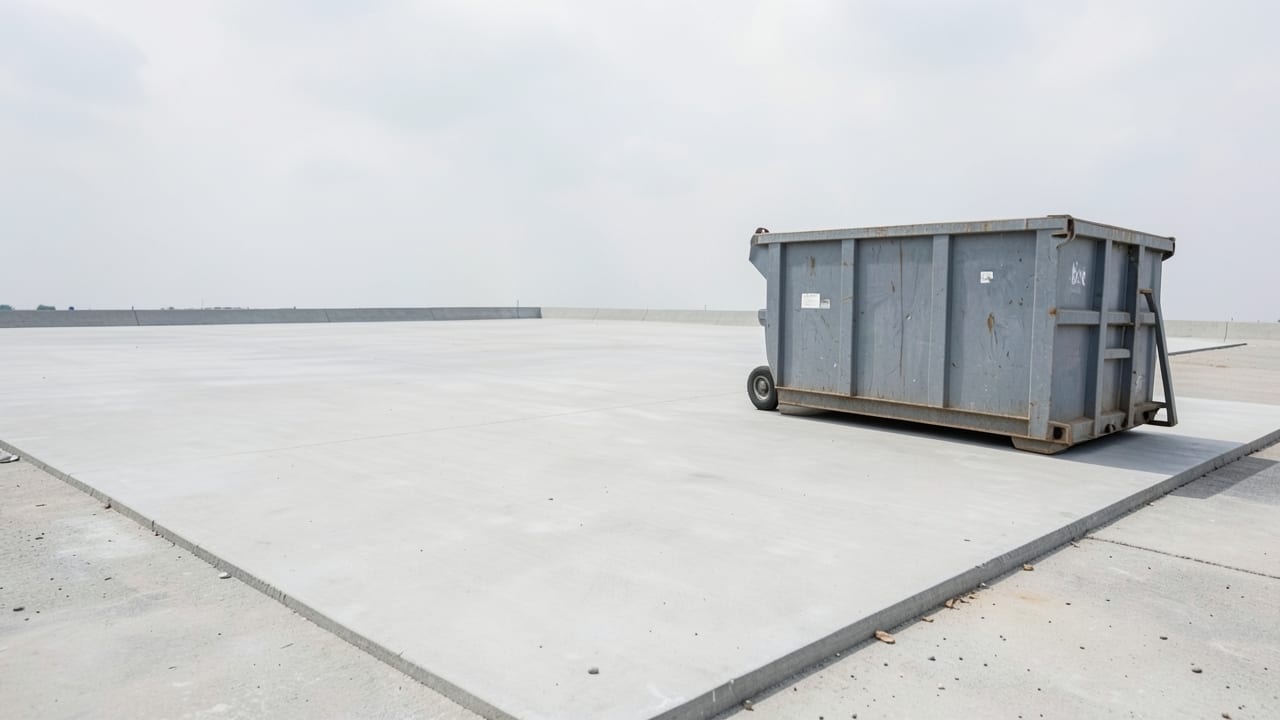
Dumpster Pad Cleaning in Brandon, FL
Commercial dumpster pad cleaning in Brandon, FL — hot-water sanitizing for grease, odor, and staining.
Learn More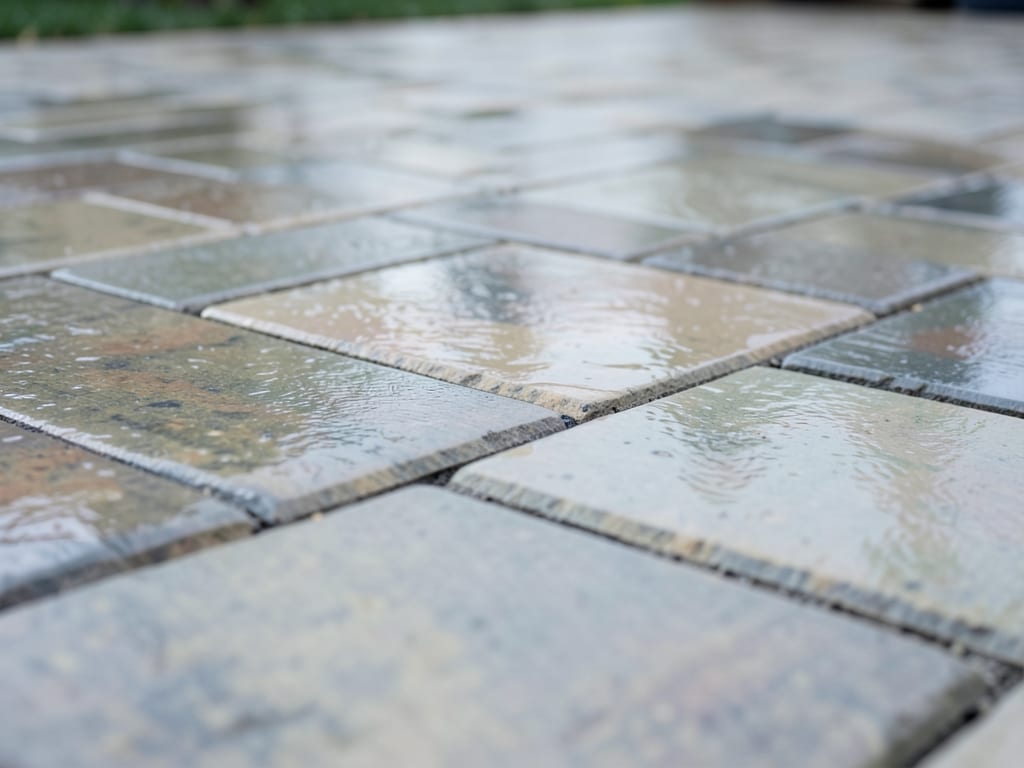
Paver Sealing in Brandon, FL
Paver sealing in Brandon, FL — a protective, wet-look finish applied after cleaning to lock in color and block stains.
Learn More
Awning & Canopy Cleaning in Brandon, FL
Awning and canopy cleaning in Brandon, FL — fabric-safe, low-pressure cleaning for storefront and residential awnings.
Learn More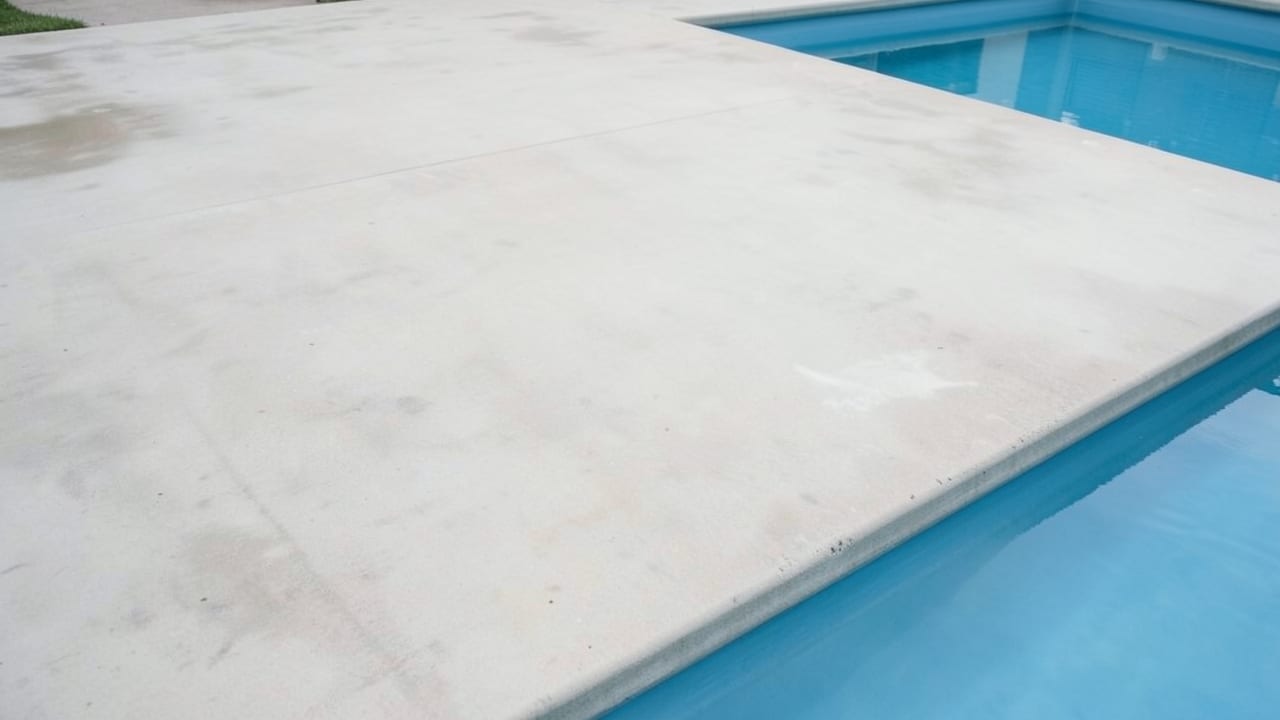
Pool Deck Cleaning in Brandon, FL
Pool deck cleaning in Brandon, FL — chemical-safe cleaning that restores slip resistance and removes algae staining.
Learn MoreCommon Questions About Pressure Washing in Brandon
Everything you need to know about pressure washing services in Brandon
How much does Parking Lot Cleaning typically cost in Brandon, FL?
Why does algae and mildew growth on homes in Brandon, FL come back so quickly?
Is renting a pressure washer and doing the job at home a reasonable option?
How long does washing a typical house exterior take?
Can pressure washing damage concrete, pavers, or mortar joints?
What are the actual named steps in a professional pressure washing job?
Need Pressure Washing in Brandon?
Get a written quote from our Brandon crew.
⏰ We answer your call • Serving all of Brandon and surrounding areas