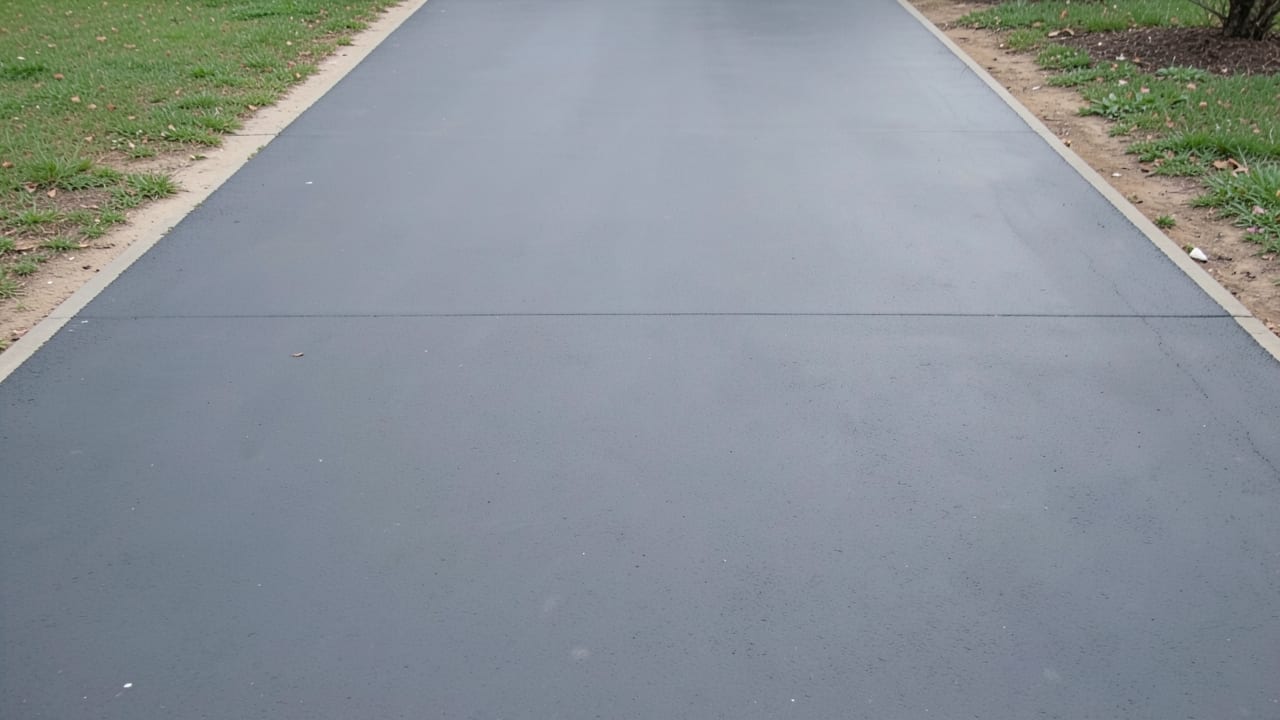
Oil Stain Removal
High-pressure cleaning to remove oil stains from driveways, garages, and other surfaces.
Oil stains on driveways, garages, or pavers in Brandon, FL, are more than just an eyesore—they signal deep-seated contamination that standard cleaning won’t remove. Specialized pressure washing with targeted detergents and low-to-moderate PSI breaks down oil residue without damaging surfaces, restoring your property’s appearance and safety.
This service is essential for areas where vehicles, machinery, or spills leave stubborn black or brown streaks that repel water and encourage further staining if left untreated.
We also handle Pool Deck Cleaning and Rust Removal for Brandon properties.
When oil stains need professional removal
Oil stains often start as small, dark spots that spread over time, especially in shaded or high-traffic areas like garage floors or driveway edges. Unlike dirt, oil penetrates porous surfaces like concrete and asphalt, creating a greasy film that repels water and attracts more grime.
If a stain doesn’t lift with soap and water or leaves a residue when wiped, it’s time for professional-grade equipment and detergents designed to dissolve oil at the molecular level.
Brandon’s humid climate accelerates oil breakdown, turning stains into a breeding ground for mold and bacteria if ignored. Stains near drainage areas or under carports also signal potential structural risks, as oil can weaken concrete over time.
A quick test: Sprinkle water on the stain—if it beads up instead of absorbing, the surface is contaminated and needs deep cleaning.
Signs Your Oil Stains Need Professional Treatment
- Stains resist scrubbing with degreasers or household cleaners, even after multiple attempts.
- Dark spots spread over time or appear in new areas after rain or vehicle traffic.
- Water beads up or pools on the stained surface instead of soaking in (indicates oil contamination).
- The area feels slippery or sticky to the touch, even after drying.
- Stains are near drainage paths, garage floors, or under carports where oil buys accumulate.
How Brandon’s climate affects oil stain removal
Brandon’s combination of high heat, humidity, and frequent rainfall creates the perfect conditions for oil stains to worsen. Rain can wash oil deeper into porous surfaces, while heat accelerates chemical reactions that make stains more resistant to cleaning.
Shaded areas, like the north side of driveways or under trees, stay damp longer, slowing evaporation and allowing oil to penetrate further. Without professional intervention, these stains can become permanent, requiring costly repairs like resurfacing.
Seasonal timing also matters: Summer’s intense sun can dry oil into a harder-to-remove crust, while winter rains dilute detergents and reduce effectiveness.
Scheduling removal during Brandon’s mild spring or fall months—when temperatures are stable and humidity is moderate—ensures the best results with less risk of streaking or damage to surrounding surfaces.
What to expect during the process
Professional oil stain removal starts with a thorough inspection to assess the stain’s severity and the surface material.
Unlike general pressure washing, oil stains require a two-step approach: first, a specialized detergent is applied to break down the oil chemically, then low-to-moderate pressure (typically 1,500–2,500 PSI with a wide fan tip) rinses away the residue.
This method prevents water from being forced into cracks or seams, which can weaken concrete or pavers over time.
Safety measures are critical, especially in Brandon’s residential areas. Landscaping near the work zone is protected with tarps, and any nearby plants or pets are kept clear of runoff.
The process also includes a final rinse with clean water to remove all detergent residue, ensuring no chemical buildup remains on your property.
| Surface Type | Recommended PSI Range | Detergent Dwell Time | Key Risk |
|---|---|---|---|
| Concrete/Asphalt | 2,000–2,800 PSI | 5–10 minutes | Cracking if pressure exceeds surface strength |
| Pavers/Brick | 1,500–2,200 PSI | 8–12 minutes | Mortar erosion if pressure is too high |
| Garage Floors (Epoxy-Coated) | 1,200–1,800 PSI | 3–5 minutes | Coating damage if dwell time is too long |
How oil stain removal works
Professional oil stain removal combines chemical breakdown and controlled pressure to lift deep-seated contamination safely.
- 1Surface Inspection and Protection
The technician examines the stain’s severity and surface type, then covers nearby landscaping, plants, and outdoor fixtures with tarps to prevent detergent runoff or overspray damage.
- 2Detergent Application
A heavy-duty oil-dissolving detergent is sprayed onto the stain at low pressure and left to dwell for 5–10 minutes, chemically breaking down the oil without immediate rinsing.
- 3Controlled Pressure Rinse
Using a wide-angle nozzle (25°–40°) and PSI adjusted for the surface (1,500–2,800), the technician rinses the area top to bottom, working in overlapping passes to ensure even coverage.
- 4Spot Treatment for Residue
Any remaining stains or streaks receive a second, more concentrated detergent application, followed by a final rinse with clean water to remove all chemical residue.
- 5Final Inspection and Drying
The surface is checked for missed spots or damage, and the area is left to dry completely (3–5 days in Brandon’s humidity) before removing protective coverings.
Frequently asked questions
Will pressure washing remove oil stains from my garage floor if it’s already sealed with epoxy?
Epoxy-coated floors require lower pressure (1,200–1,800 PSI) and a gentler detergent to avoid stripping the coating. A professional will test a small area first to ensure the sealant isn’t damaged, as some stains may need a specialized epoxy-safe cleaner instead of pressure washing.
How long do I need to keep pets and kids away after oil stain removal?
The area should stay clear until fully dry (typically 3–5 days in Brandon’s climate) to allow detergents to evaporate completely. Tarps and protective coverings are removed only after the final rinse, and pets can return once the surface is dry to the touch.
Can oil stains on my driveway cause long-term damage if left untreated?
Yes. Oil penetrates porous surfaces, weakening concrete over time and creating slip hazards. It also attracts mold and bacteria, which can degrade the material faster. Professional removal prevents these risks and restores the driveway’s integrity.
Will the process damage my existing landscaping or plants near the driveway?
No, if done correctly. Technicians tarp and protect plants, and detergents are rinsed away with clean water to prevent runoff damage. However, pre-existing root systems near driveways may still need trimming to improve airflow and reduce future staining.
Where Brandon sits, and what the Census lists nearby
Brandon sits in Florida, and the closest places listed in the U.S. Census Gazetteer are Mango (3.9 miles north), Valrico (4.3 miles east), Bloomingdale (4.7 miles southeast), Seffner (4.8 miles north). Within 25 miles of Brandon the same source lists 54 distinct incorporated places and census-designated places.
Those figures matter for oil stain removal because they are straight-line distances between Census coordinate points: road mileage between Brandon and Mango runs longer than the 3.9 miles shown, which is why quotes for the same job differ between towns that look close together on a map.
Source: U.S. Census Bureau Gazetteer.
See Lithia, FL for more, or see our full Brandon-area coverage by neighborhood for our complete lineup.
Ready to get started?
Talk to a local pressure washing pro in Brandon — get a written quote.
Other Pressure Washing Services in Brandon
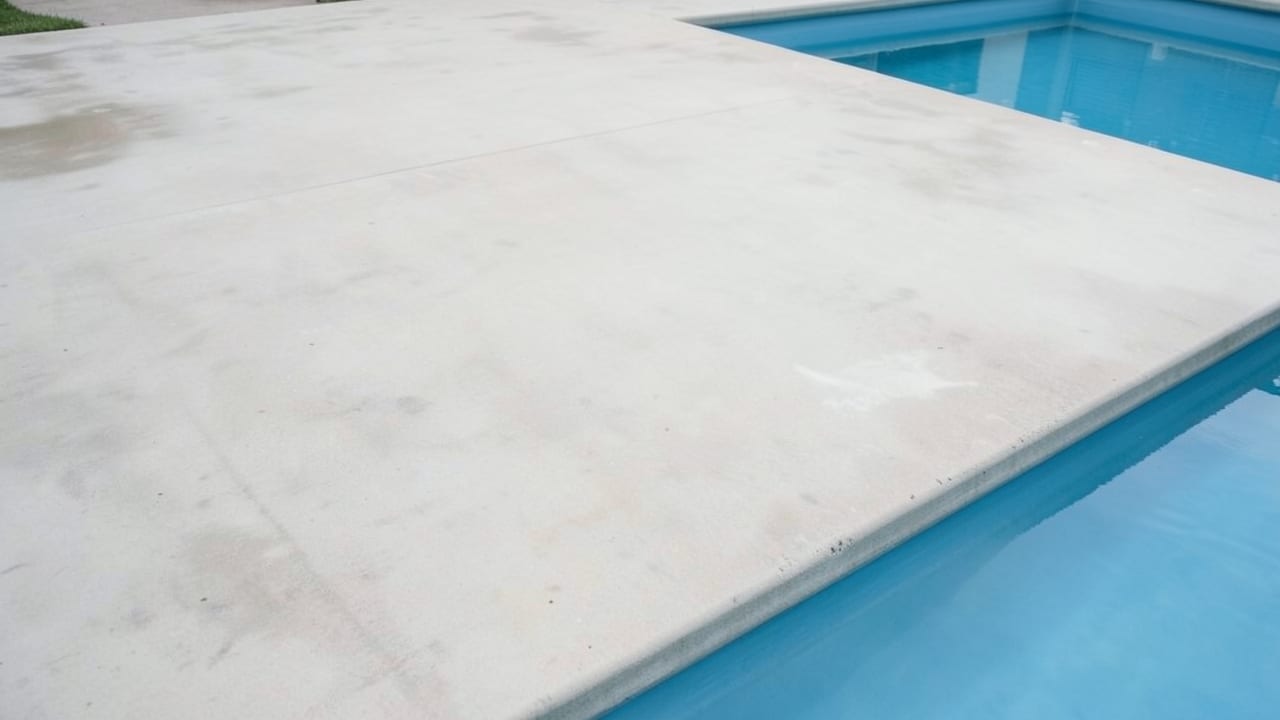
Pool Deck Cleaning in Brandon, FL
Pool deck cleaning in Brandon, FL — chemical-safe cleaning that restores slip resistance and removes algae staining.
Learn More
Rust Removal in Brandon, FL
Professional pressure washing to remove rust stains from driveways, sidewalks, and exterior surfaces.
Learn More
Brick Cleaning in Brandon, FL
Professional pressure washing to remove dirt, grime, and stains from brick surfaces.
Learn More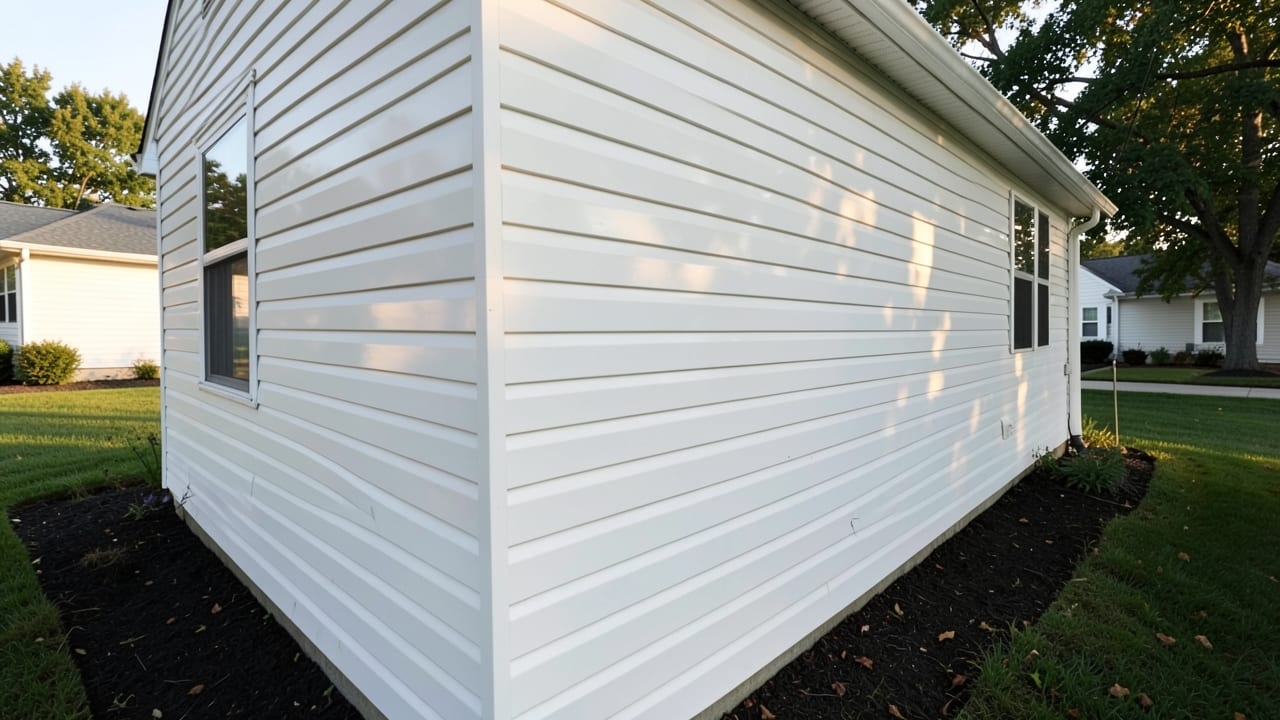
Vinyl Siding Cleaning in Brandon, FL
Professional pressure washing to remove dirt, mold, and grime from vinyl siding.
Learn More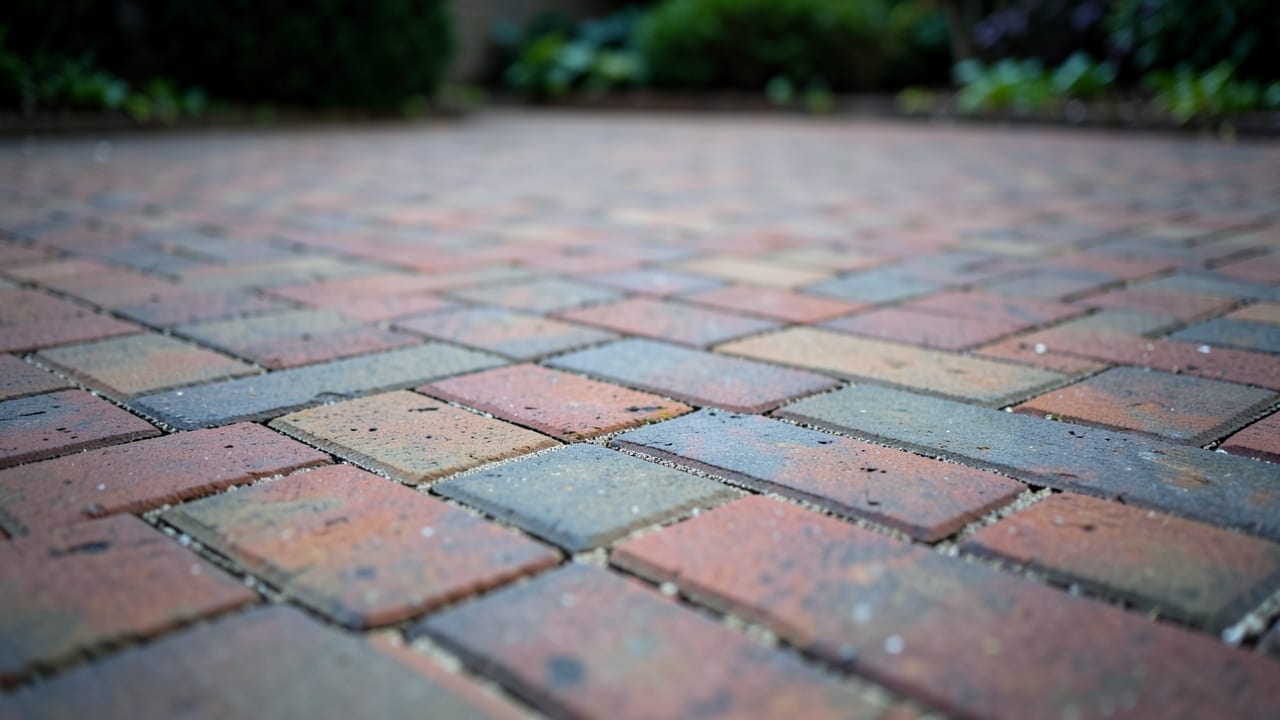
Patio Cleaning in Brandon, FL
High-pressure washing to remove dirt, grime, and stains from patios, restoring their appearance.
Learn More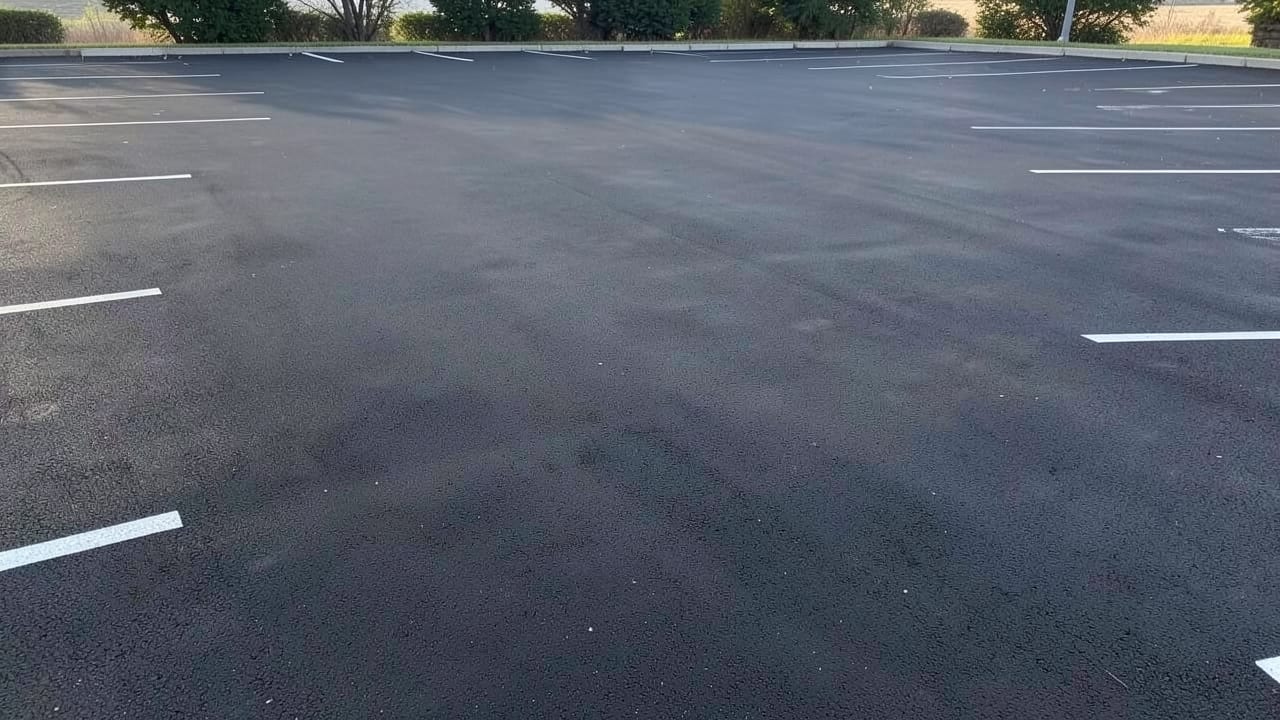
Parking Lot Cleaning in Brandon, FL
High-pressure washing to remove dirt, oil, and debris from parking lot surfaces.
Learn MoreCommon Questions About Pressure Washing in Brandon
Everything you need to know about pressure washing services in Brandon
How much does Oil Stain Removal typically cost in Brandon, FL?
Why does algae and mildew growth on homes in Brandon, FL come back so quickly?
What's the actual difference between pressure washing and soft washing?
How often should a home's exterior actually be washed?
Are the cleaning chemicals used in soft washing safe for landscaping and pets?
Would home insurance cover damage caused by improper pressure washing?
Need Pressure Washing in Brandon?
Get a written quote from our Brandon crew.
⏰ We answer your call • Serving all of Brandon and surrounding areas